
Human Element Risks and Defenses in Cybersecurity
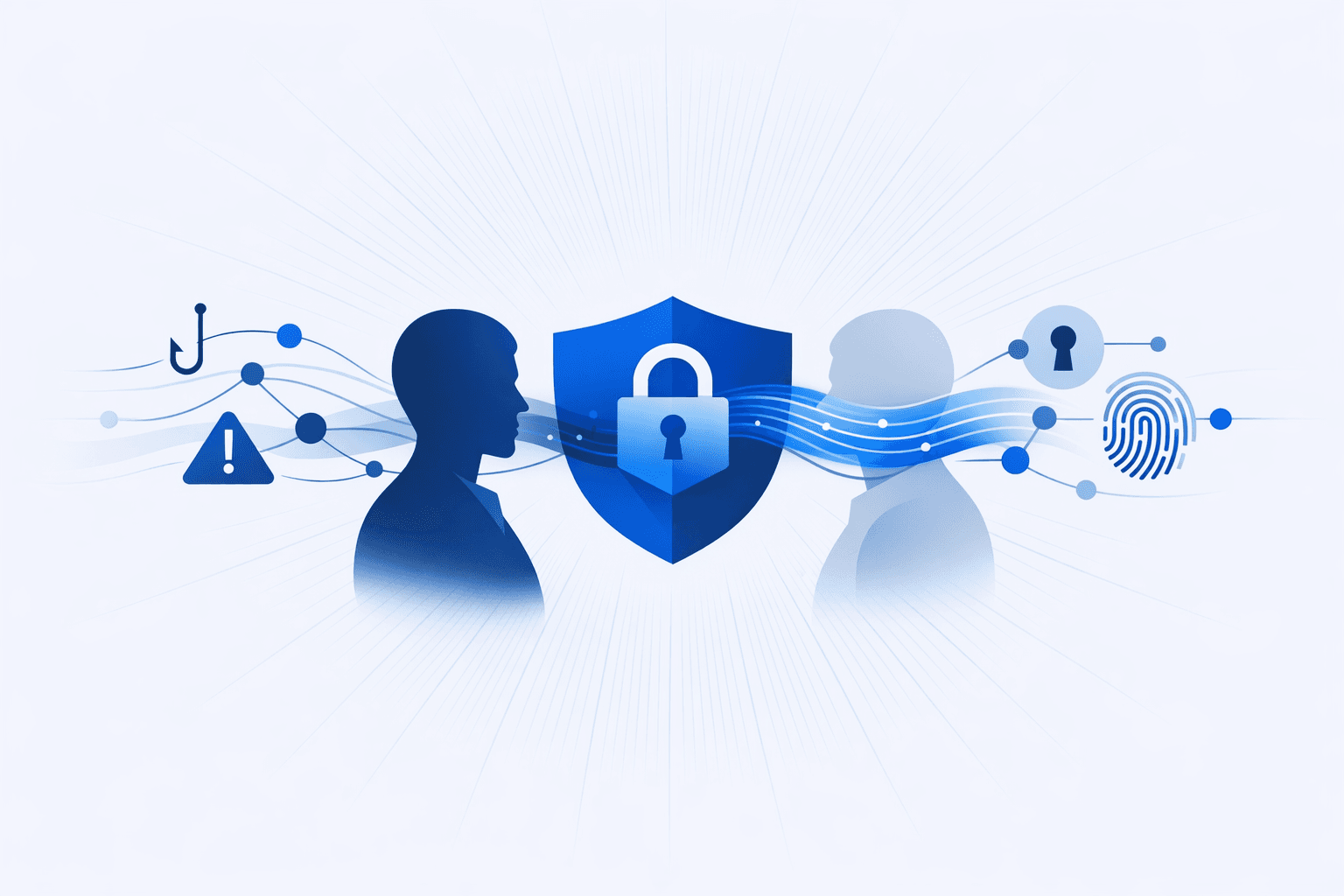
Cybersecurity experts are increasingly emphasizing the critical role that human behavior plays in both enabling and defending against cyber threats. Despite significant advancements in technical security controls, attackers continue to exploit human vulnerabilities through tactics such as phishing and social engineering. These attacks often succeed by manipulating emotions like urgency, fear, and friendliness, which can lead employees to inadvertently compromise organizational security. Burnout among staff, overly complex security controls, and a lack of engagement further exacerbate these risks, making organizations more susceptible to breaches. Security leaders are recognizing that technology alone cannot address these challenges; instead, a holistic approach that integrates human factors is essential. Practical strategies for mitigating these risks include connecting security responsibilities to every role within the organization, ensuring that security training is both engaging and relevant, and designing controls that prioritize usability. By fostering a culture of security awareness and making employees active participants in defense, organizations can transform the human element from a liability into a competitive advantage. The relationship between humans and artificial intelligence (AI) is also emerging as a new frontier in cybersecurity, with the potential for both increased risk and enhanced defense. As AI systems become more integrated into business processes, securing the interactions between humans and AI becomes paramount. This includes ensuring that AI-driven tools are not only technically robust but also that users understand their limitations and potential for misuse. Security awareness programs must evolve to address the unique challenges posed by AI, such as the risk of overreliance or manipulation of AI outputs. Organizations are encouraged to adopt a proactive stance, continuously assessing and adapting their human-centric security measures in response to evolving threats. The ultimate goal is to create an environment where employees are empowered to recognize and respond to threats effectively, supported by both technology and a strong security culture. By addressing the human factor comprehensively, organizations can significantly reduce the likelihood of successful cyberattacks. This approach requires ongoing commitment from leadership, investment in training, and a willingness to adapt security practices to the realities of human behavior. As the threat landscape evolves, the synergy between human awareness and technological controls will remain a cornerstone of effective cybersecurity defense.
Get ahead of threats like this
Mallory correlates global threat intelligence with your attack surface — know if you’re exposed before adversaries strike.
How this story unfolded
1 event from the most recent confirmed update back to the earliest known activity.
Story first reported
Initial story creation
Sources
2 references tracked. Mallory keeps watching after this page renders.
See the full picture, correlated to your attack surface.
Map indicators from this story to your assets and identify affected systems in minutes.
Every observed campaign, victim, and pivot linked to actors named in this story.
Malware, exploits, and IOCs connected to the activity described here.
YARA, Sigma, and Snort rules deployed to your SIEM as soon as they’re published.
Get matching new stories delivered to your team as they break — not the next morning.
Ask questions about this story and take action on the answers.
Related stories
Other stories Mallory is tracking that overlap on entities, sources, or topic labels.
Cybersecurity Fundamentals and Human Factors Remain Critical Amid AI and Advanced Threats
Recent research and industry analysis highlight that despite rapid advances in AI, cloud, and security tooling, organizations continue to suffer breaches and operational failures due to neglect of basic cybersecurity fundamentals and the growing problem of staff burnout. Studies from Sophos and others reveal that incomplete implementation of essential controls—such as identity management, patching, and vendor oversight—combined with chronic fatigue among IT and security teams, are leaving organizations exposed to both traditional and AI-driven threats. High-profile incidents, including missteps by the U.S. Department of Defense and Israel’s Unit 8200, underscore that even elite organizations are vulnerable when foundational practices are overlooked, particularly in areas like supply chain governance and third-party access. The human element remains a persistent challenge, with over half of organizations citing it as their greatest security risk, and operational rigor lagging in areas like continuous access audits and vendor monitoring. Burnout and alert fatigue further erode defenders’ ability to respond effectively, as attackers exploit these gaps with increasingly sophisticated techniques. Experts warn that no amount of advanced technology can compensate for lapses in execution or the absence of disciplined, board-level attention to cyber hygiene. As AI-powered attacks and automation reshape the threat landscape, the message is clear: mastering the basics and supporting human defenders are mission-critical for cyber resilience in 2026 and beyond.
Mar 21, 2026
Human Risk Management and Simulation Strategies in Cybersecurity Defense
Organizations are increasingly recognizing the critical role of human behavior in cybersecurity defense, as highlighted by recent industry discussions and practical guides. Security leaders are moving beyond a one-size-fits-all approach, instead segmenting users into distinct personas such as socially engineered victims, accidental insiders, convenience-driven rule-benders, and malicious insiders. This nuanced understanding allows for more targeted security controls and training interventions. The DEEP Matrix framework has been introduced as a diagnostic tool to map security controls—both technical and human—across these personas, enabling organizations to identify gaps and strengthen their overall defense posture. Phishing and spear-phishing simulations remain a cornerstone of evaluating employee susceptibility to social engineering attacks, with red team exercises and vendor-led campaigns providing actionable insights into risky behaviors. These simulations are particularly effective for employees in sensitive roles, such as HR, executives, and legal teams, who are often targeted by attackers. Threat and Attack Simulation (TAS) exercises are emphasized as essential for assessing the effectiveness of security training and reinforcing the importance of policy adherence. Security Operations Centers (SOCs) play a pivotal role in this ecosystem, employing a layered approach to detection and response that includes email security gateways, network monitoring, endpoint protection, and threat intelligence platforms. Tools such as GoPhish, Cofense, Proofpoint, and Mimecast are commonly used for phishing simulations and detection, while Suricata, Snort, and Zeek provide robust network monitoring capabilities. Endpoint security solutions like CrowdStrike and Microsoft Defender for Endpoint further enhance detection and response. SOCs also leverage SIEM and SOAR platforms for centralized log management, correlation, and automation, ensuring rapid response to detected threats. Best practices for SOCs include regular testing of detection capabilities, tuning alerts to minimize false positives, and conducting purple-team exercises to simulate real-world attack scenarios. The integration of technical controls with human-centric strategies is seen as vital for building a resilient security posture. By continuously evaluating and empowering employees, organizations can transform their workforce from a potential vulnerability into a key line of defense. These combined approaches underscore the importance of a unified, adaptive defense strategy that addresses both technological and human elements of cybersecurity risk.
Mar 21, 2026
Human Risk and Overconfidence in Cybersecurity Posture
The Arctic Wolf 2025 Human Risk Behavior Snapshot: 2nd Edition highlights a significant disconnect between organizational confidence in cybersecurity and the reality of human-driven risk. The report, based on a survey of over 1,700 IT leaders and end users, reveals that 68% of organizations experienced a breach in the past year, marking an 8% increase from the previous year. Despite this rise in breaches, three-quarters of IT leaders maintain the belief that their organizations are safe from phishing attacks, a perception not supported by incident data. The FBI IC3 reported that over $6.3 billion was lost to business email compromise (BEC) scams in 2024, with Arctic Wolf researchers attributing 72.9% of BEC cases to phishing. This suggests that phishing remains a persistent and effective attack vector, undermining organizational defenses. The report underscores that human error and risky behaviors, such as clicking on malicious links, continue to be major contributors to security incidents. Nearly two-thirds of surveyed leaders admitted to clicking on a malicious link, and one in five of those who did so experienced a negative outcome. The findings indicate that investments in sophisticated technical defenses are being undermined by the unpredictable nature of human behavior. Leadership overconfidence is identified as a critical vulnerability, as it leads to underestimation of the threat posed by social engineering and phishing. The report calls for a reassessment of security strategies to address the human element, emphasizing the need for ongoing security awareness training and realistic risk assessments. The data suggests that without addressing human factors, organizations will continue to face a high likelihood of breaches. The report also highlights the importance of bridging the gap between perceived and actual security posture, advocating for a more holistic approach to risk management. The findings serve as a warning that technology alone is insufficient to protect against evolving threats. Organizations are urged to foster a culture of security mindfulness and to implement controls that account for human fallibility. The report concludes that addressing the human element is essential for reducing breach rates and improving overall cybersecurity resilience.
Mar 21, 2026