
Qilin Ransomware Operations Supported by Bulletproof Hosting Networks
Qilin, a sophisticated ransomware-as-a-service (RaaS) operation, has emerged as a significant threat actor in the global cybercrime landscape, leveraging bulletproof hosting (BPH) infrastructures to facilitate its extortion campaigns. The group, which initially operated under the name "Agenda" before rebranding to Qilin in 2022, utilizes BPH providers that are strategically located in pro-secrecy jurisdictions and structured through complex networks of anonymous shell companies. These hosting services are designed to be resilient against abuse complaints and law enforcement actions, enabling Qilin to conduct prolonged and undisturbed ransomware operations. Qilin's ransomware variants are written in both Golang and Rust, and the group is known to gain initial access to victim networks through spear phishing campaigns, as well as by exploiting Remote Monitoring and Management (RMM) tools and other common attack vectors. The group practices double extortion, demanding ransom payments not only to decrypt data but also to prevent the public release of stolen information. In a recent high-profile attack, Qilin claimed responsibility for a ransomware incident that severely disrupted operations and manufacturing at Asahi Group Holdings, a major Japanese brewing conglomerate, for nearly two weeks. Following this attack, Qilin attempted to sell the stolen Asahi data for $10 million USD, directly contacting the victim to increase pressure and bypass intermediaries. On October 15, Qilin announced a new wave of victims, including the Spanish Tax Administration Agency, Centurion Family Office Services LLC in the USA, Rasi Laboratories, Victory Christian Center in Tulsa, Richmond Behavioral Health Authority, Turnkey Africa, and Charles River Properties. The diversity of these targets demonstrates Qilin's broad targeting strategy, affecting organizations across government, healthcare, finance, manufacturing, and religious sectors. The use of bulletproof hosting is a critical enabler for Qilin, allowing the group to maintain its infrastructure and evade takedown efforts. Investigations by Resecurity have included direct engagement with Qilin operators, providing insights into their tactics and extortion strategies. The resilience of Qilin's infrastructure, combined with their aggressive extortion methods, poses a significant ongoing threat to organizations worldwide. The group's ability to quickly announce and publicize new victims further amplifies the pressure on targeted entities to comply with ransom demands. Qilin's operations highlight the persistent challenge posed by RaaS groups that exploit global hosting networks to sustain and expand their criminal enterprises. The continued evolution of Qilin's tactics and infrastructure underscores the need for robust cybersecurity defenses and international cooperation to disrupt such threat actors. Organizations are urged to remain vigilant against spear phishing and to monitor for unauthorized use of RMM tools, which are common entry points for Qilin attacks. The ongoing activity of Qilin demonstrates the critical role of bulletproof hosting in enabling large-scale ransomware campaigns and the importance of targeting these infrastructures in law enforcement efforts.
Get ahead of threats like this
Mallory correlates global threat intelligence with your attack surface — know if you’re exposed before adversaries strike.
How this story unfolded
2 events from the most recent confirmed update back to the earliest known activity.
Qilin ransomware leak site announces new victims
Reports indicated that the Qilin ransomware operation added new organizations to its victim list, marking a fresh disclosure of affected entities. Multiple outlets referenced this same development, so it is treated as a single event.
Resecurity links Qilin ransomware to Ghost bulletproof hosting conglomerate
Resecurity published research describing ties between the Qilin ransomware operation and the Ghost bulletproof hosting conglomerate, adding technical and infrastructure details to the threat's ecosystem. This appears to be the first referenced disclosure in the provided materials.
Related entities
Vulnerabilities, threat actors, malware, products, organizations, and breaches Mallory has linked to this story.
Sources
4 references tracked. Mallory keeps watching after this page renders.
More Qilin ransomware-hit organizations disclosed
scworld.com
Open sourceQilin Ransomware and the Ghost Bulletproof Hosting Conglomerate
databreaches.net
Open sourceQilin Ransomware and the Ghost Bulletproof Hosting Conglomerate
resecurity.com
Open sourceQilin Ransomware announced new victims
securityaffairs.com
Open sourceSee the full picture, correlated to your attack surface.
Map indicators from this story to your assets and identify affected systems in minutes.
Every observed campaign, victim, and pivot linked to actors named in this story.
Malware, exploits, and IOCs connected to the activity described here.
YARA, Sigma, and Snort rules deployed to your SIEM as soon as they’re published.
Get matching new stories delivered to your team as they break — not the next morning.
Ask questions about this story and take action on the answers.
Related stories
Other stories Mallory is tracking that overlap on entities, sources, or topic labels.
Qilin (Agenda) Ransomware Deploys Linux Binaries on Windows via Remote Management Tools
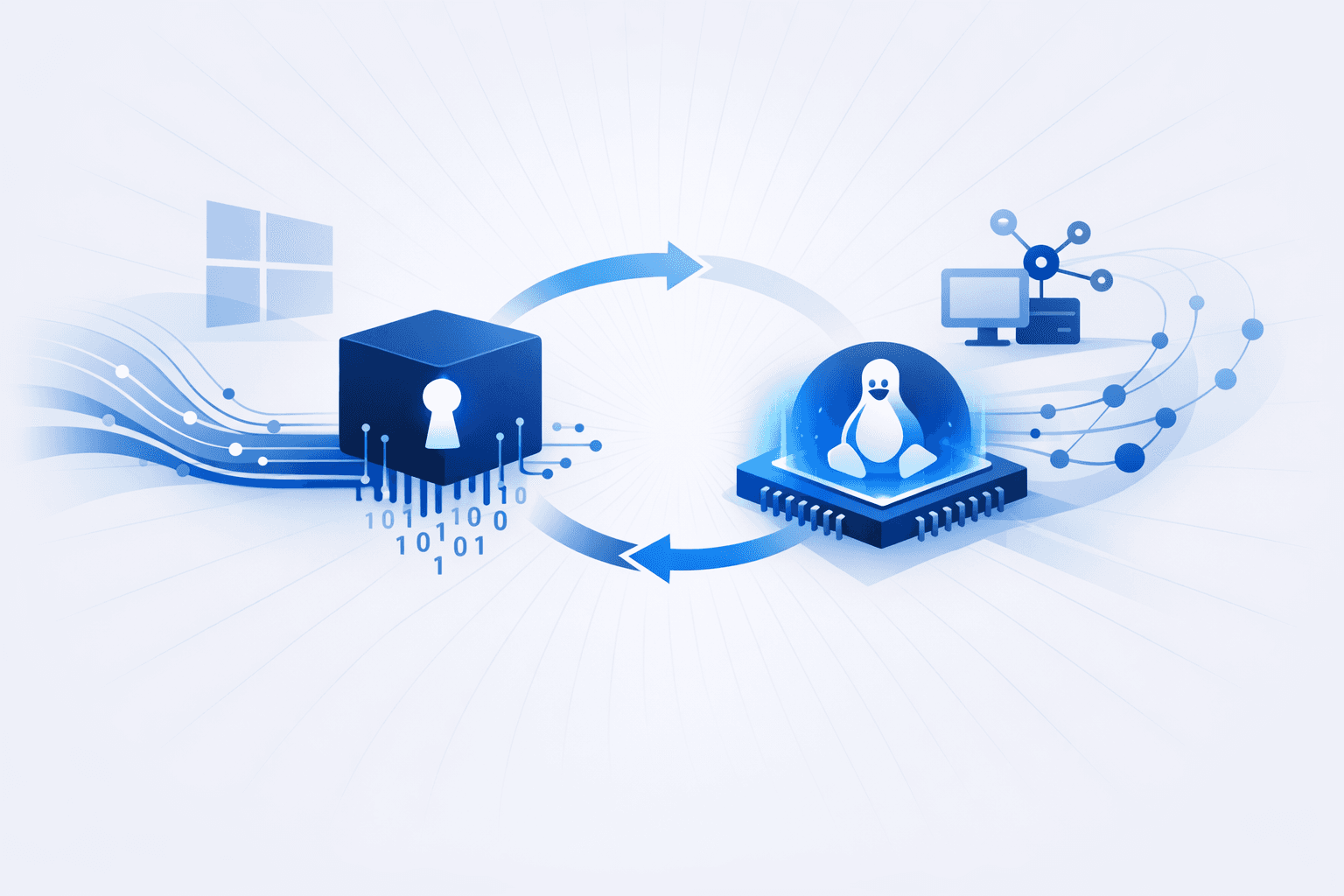
The Qilin ransomware group, also known as Agenda, has adopted a sophisticated cross-platform attack strategy by deploying Linux-based ransomware binaries on Windows systems. This technique leverages legitimate remote management and file transfer tools such as Splashtop, WinSCP, AnyDesk, ATERA RMM, ScreenConnect, and MeshCentral to bypass traditional Windows-centric endpoint detection and response (EDR) solutions. Attackers gain initial access through social engineering, including fake CAPTCHA pages, and use credential theft to facilitate lateral movement and privilege escalation. The group also employs Bring Your Own Vulnerable Driver (BYOVD) attacks to disable security defenses and steals backup credentials, particularly from Veeam, to prevent recovery and maximize extortion leverage. Qilin's operations have impacted over 700 victims globally since January 2025, with a focus on sectors such as manufacturing, professional and scientific services, and wholesale trade. The group uses a double-extortion model, exfiltrating sensitive data with tools like Cyberduck before encrypting files and threatening public disclosure. Qilin's affiliates have been observed using a variety of post-exploitation tools, including Mimikatz and custom scripts, to harvest credentials and exfiltrate data. The group's rapid evolution and ability to evade detection highlight the growing sophistication of ransomware-as-a-service (RaaS) operations targeting organizations worldwide.
Mar 21, 2026
Qilin Ransomware's Surge and High-Profile Attacks on Global Organizations
The Qilin ransomware group has emerged as one of the most prolific ransomware operations, claiming responsibility for over 500 attacks in the past six months and targeting major organizations worldwide. Notably, Qilin has allegedly stolen 10 GB of data from International Game Technology (IGT), a multinational provider in the gaming and fintech sectors, with over 21,000 files reportedly exfiltrated. The group has also targeted other high-profile victims, including Cornerstone Staffing Solutions, Spark Power, and Habib Bank AG Zurich, and is known to collaborate with other ransomware operations such as DragonForce and LockBit. Qilin, along with Akira and INC, accounted for 65% of ransomware attacks in Q3 2025, with a significant portion of these incidents facilitated by compromised VPN credentials. Ransomware activity has seen a marked increase globally, with leak posts rising by 11% over the previous quarter and a surge in attacks reported in October. Attackers are increasingly exploiting vulnerabilities in VPNs and external services, and the prevalence of zero-day vulnerabilities has also grown, with notable bugs affecting Citrix NetScaler, CrushFTP, and Microsoft SharePoint. Security experts recommend organizations implement multi-factor authentication and strengthen vulnerability management practices to mitigate the escalating ransomware threat landscape.
Mar 21, 2026
Qilin Ransomware Attacks on North American Organizations
The Qilin ransomware gang has claimed responsibility for significant cyberattacks against major North American organizations, including Canadian electrical services provider Spark Power and U.S.-based recruitment firm Cornerstone Staffing Solutions. In the Spark Power incident, Qilin alleges the theft of 222 GB of data, potentially including operational files, financial records, and employee personal information, with researchers warning of possible operational disruptions if systems are locked. For Cornerstone Staffing Solutions, Qilin claims to have exfiltrated 300 GB of sensitive data, including nearly 1 million files with resumes, personal records, Social Security numbers, and internal financial documents, with sample files leaked to substantiate the breach. Qilin has emerged as one of the most prolific ransomware operations, reportedly targeting nearly 1,000 organizations since 2023 and over 500 in the past six months alone. The group’s attacks have resulted in the exposure of sensitive employee and business data, raising concerns about the operational and reputational impact on affected organizations. These incidents highlight the ongoing threat posed by ransomware groups to critical infrastructure and service providers across North America.
Mar 21, 2026