
Credential Compromise and the Risks of Password-Based Authentication
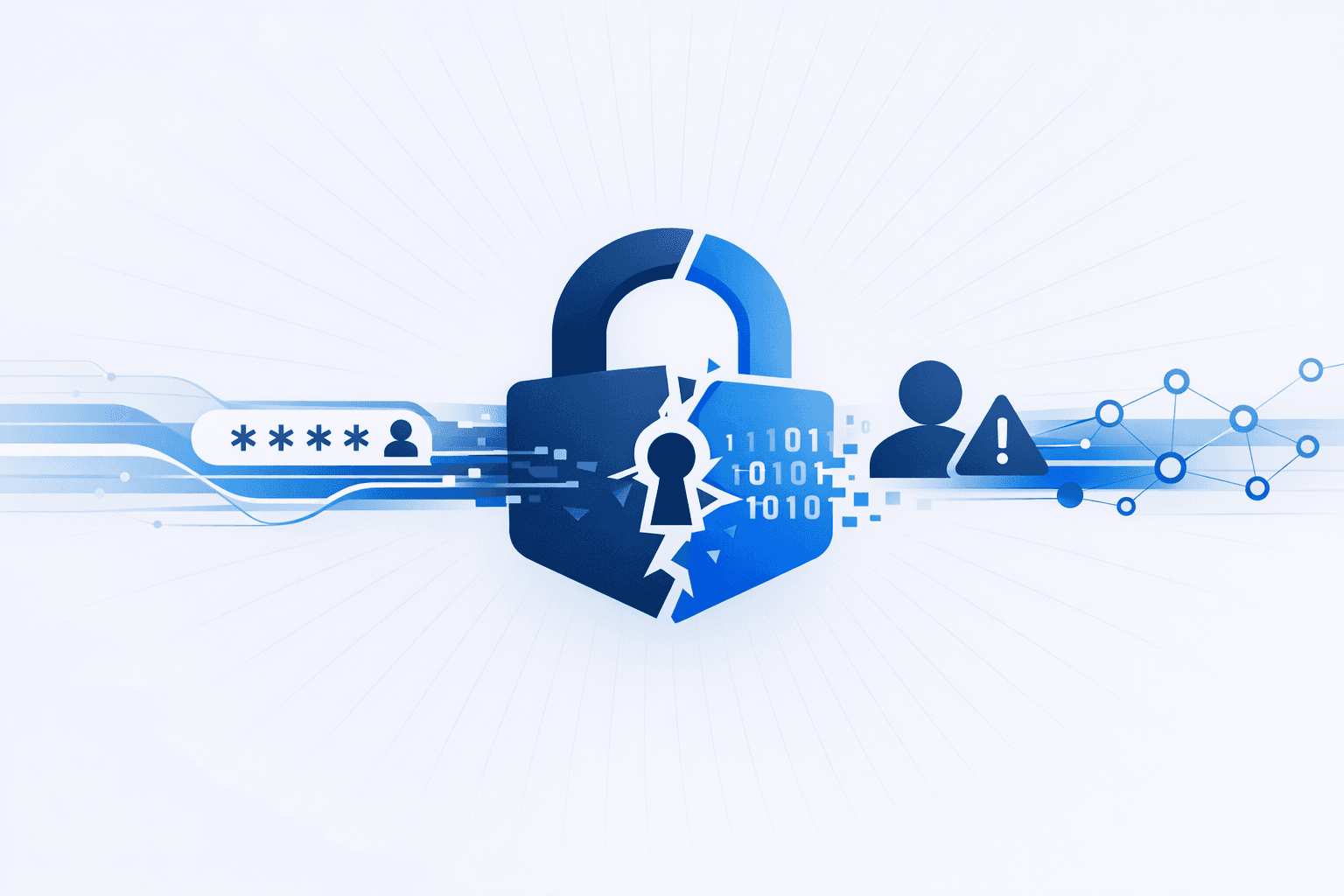
Cybercriminals are increasingly targeting enterprise credentials through phishing, brute force attacks, and exploitation of password reuse, leading to widespread compromise and monetization of login details. Attackers use tactics such as convincing phishing emails, credential stuffing, and the sale of stolen credentials on underground markets, enabling further exploitation including data theft and ransomware. The prevalence of password reuse and weak password management practices among employees exacerbates the risk, as users often rotate between a small set of passwords or make only minor variations, making it easier for attackers to gain access to multiple accounts once a single credential is compromised.
Security experts are urging organizations to move away from traditional password-based authentication and adopt phishing-resistant, device-bound cryptographic solutions such as FIDO2, passkeys, and certificate-based authentication. These measures are seen as essential to counter the growing threat posed by automated attacks leveraging AI agents and large-scale credential theft. SaaS providers are also encouraged to integrate with identity platforms that support these advanced authentication methods to strengthen overall security posture and reduce the risk of credential-based breaches.
Get ahead of threats like this
Mallory correlates global threat intelligence with your attack surface — know if you’re exposed before adversaries strike.
How this story unfolded
1 event from the most recent confirmed update back to the earliest known activity.
Story first reported
Initial story creation
Sources
2 references tracked. Mallory keeps watching after this page renders.
See the full picture, correlated to your attack surface.
Map indicators from this story to your assets and identify affected systems in minutes.
Every observed campaign, victim, and pivot linked to actors named in this story.
Malware, exploits, and IOCs connected to the activity described here.
YARA, Sigma, and Snort rules deployed to your SIEM as soon as they’re published.
Get matching new stories delivered to your team as they break — not the next morning.
Ask questions about this story and take action on the answers.
Related stories
Other stories Mallory is tracking that overlap on entities, sources, or topic labels.
Credential-Based Attacks and Identity Threats in Modern Cybersecurity
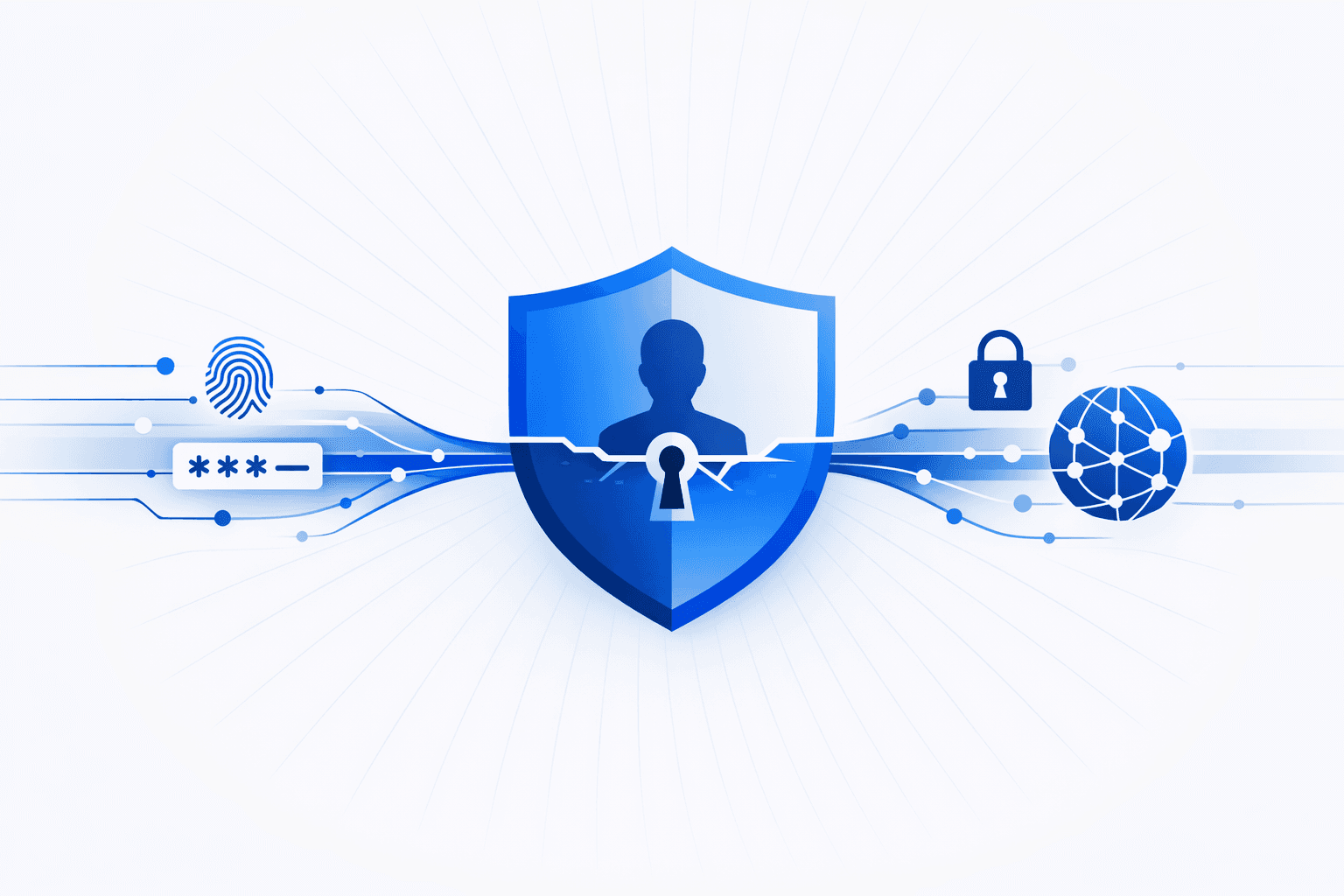
Credential abuse, phishing, and vulnerability exploitation remain the primary vectors for cyber breaches, with attackers increasingly leveraging automation, AI-driven social engineering, and new evasion techniques. Recent research highlights a 160% surge in leaked credentials, with billions exposed in single incidents, and a significant rise in email-based threats, including a 130% increase in malware delivered via email and a resurgence of ransomware. Attackers exploit overlooked file types and advanced obfuscation tactics to bypass security controls, while compromised credentials and endpoint exploitation are now frequently blended in multi-stage attacks. The rapid proliferation of non-human digital identities, such as AI agents, has dramatically expanded the attack surface, with non-human accounts now outnumbering human users by 82 to 1. This shift has led 90% of business leaders to rank identity attacks as their top concern, and most organizations are reevaluating their identity and access management strategies. The growing complexity and scale of identity-based threats have eroded confidence in rapid recovery, underscoring the need for robust identity resilience and specialized security staff to defend against increasingly sophisticated credential and identity attacks.
Jun 29, 2026
Credential Theft and Identity-Based Intrusions Surge Across Enterprises
**Credential compromise** and identity abuse are increasing as attackers rely more on stolen logins, session artifacts, and phishing rather than noisy exploitation alone. Recorded Future reported a sharp rise in exposed credentials during 2025, including nearly **2 billion** credentials indexed from malware combo lists, with the second half of the year up **50%** over the first and Q4 up **90%** over Q1. The trend is being driven by the industrialization of **infostealer malware**, malware-as-a-service ecosystems, and AI-enabled phishing and social engineering, while weak identity governance continues to expand the attack surface. A separate survey of UK organizations found **77%** fail to promptly disable former employees' accounts, **34%** grant overly broad access, and many still use manual processes such as spreadsheets for account validation, creating persistent opportunities for unauthorized access. A targeted phishing attempt against **Outpost24** illustrates how these identity-focused attacks are being operationalized against even security vendors. Attackers used a convincing fake JP Morgan email, valid **DKIM** authentication via Amazon SES infrastructure, and a **seven-stage redirect chain** leveraging trusted brands including Cisco to steer a C-suite executive toward a Microsoft Office credential-harvesting page while evading email defenses. The broader threat environment shows the same shift toward access abuse and stealthier post-compromise tradecraft: Google Threat Intelligence Group found ransomware actors increasingly favor native Windows tools over **Cobalt Strike**, with data theft present in **77%** of incidents and exploitation of VPNs and firewalls still common for initial access. Together, the reporting shows attackers are increasingly **logging in rather than breaking in**, then using legitimate access and built-in tools to deepen compromise and extort victims.
Jun 29, 2026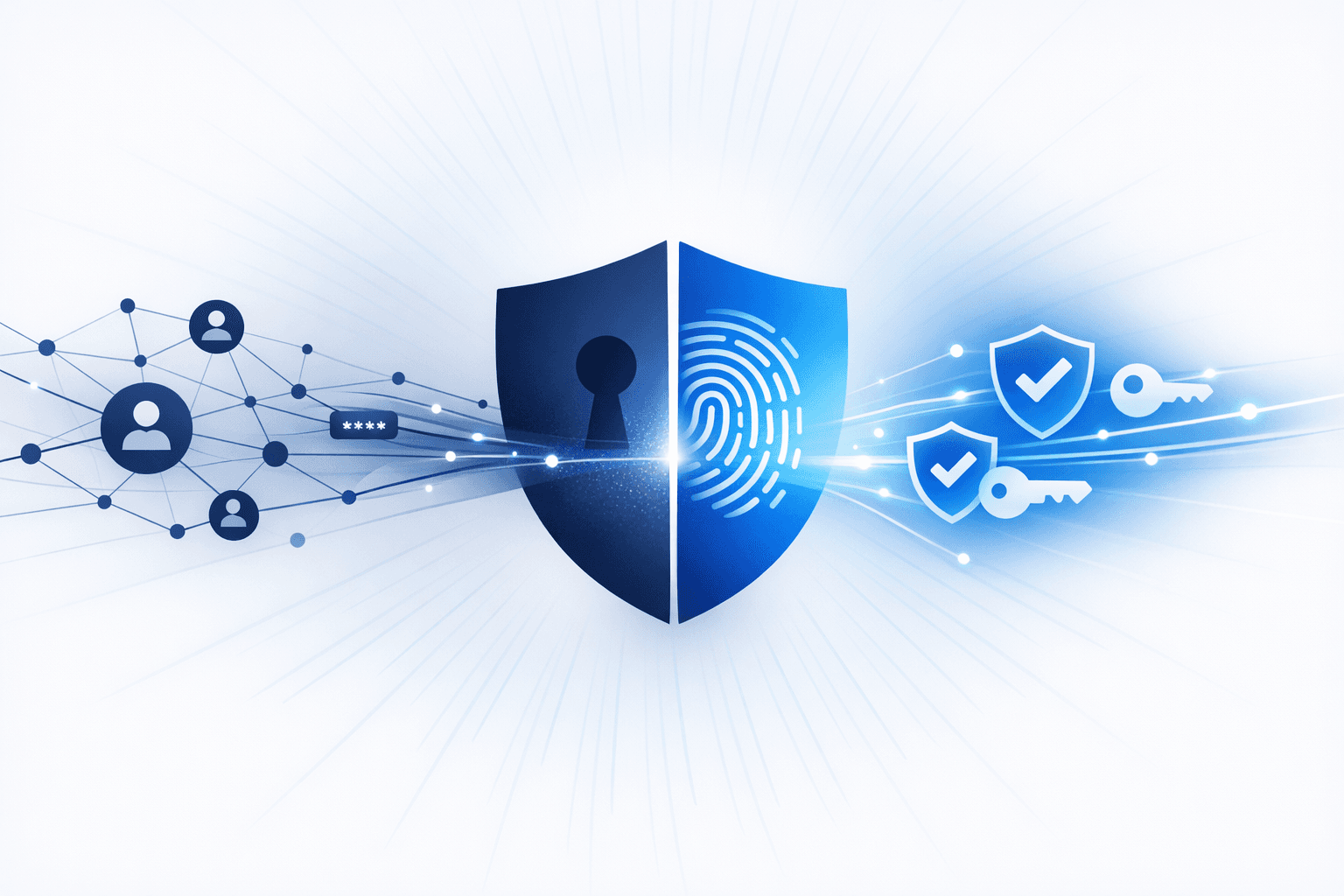
Credential-Based Attacks and the Shift Toward Phishing-Resistant MFA
Recent high-profile breaches at major UK retailers, including M&S and Co-op Group, have highlighted the growing threat of identity-based attacks. Attackers used vishing techniques to obtain corporate passwords, which enabled ransomware deployment and resulted in significant financial and reputational damage. The distributed nature of modern IT environments, with resources spread across cloud and on-premises systems, has made identity the new security perimeter, increasing the value of credentials for cybercriminals. Infostealer malware and various forms of phishing, including smishing and vishing, are now primary methods for harvesting credentials, contributing to a surge in identity-related breaches across industries. To counter these threats, security experts emphasize the importance of robust multifactor authentication (MFA), particularly methods that are resistant to phishing. While traditional MFA methods such as one-time passwords (OTPs) sent via SMS or email are still widely used, they are increasingly vulnerable to social engineering and interception. The adoption of passkeys and other phishing-resistant MFA solutions is being promoted as the gold standard, with Microsoft reporting that MFA blocks over 99% of unauthorized access attempts. Organizations are urged to move beyond basic MFA and implement stronger, phishing-resistant authentication to protect against evolving identity-based attacks.
Jun 29, 2026