
Mobile Device Security and Privacy Guidance
Security experts and technology journalists have published a range of practical advice and strategies to help users protect their mobile devices and digital privacy. These resources emphasize the importance of operations security (opsec) for all users, including teenagers, and provide step-by-step recommendations for securing smartphones against theft, surveillance, and data compromise. Key measures include recording device identifiers like IMEI numbers, enabling tracking features such as 'Find My' on iOS and Android, using strong screen locks, and tightening lock screen access to prevent unauthorized use. The guidance also highlights the risks associated with default device configurations, the prevalence of tracking by major vendors, and the need for deliberate hardware and software choices to maximize privacy.
In addition to technical setup advice, the content addresses broader privacy concerns, such as minimizing digital footprints on social media and streaming platforms, and making informed decisions about device brands and operating systems. Recommendations include opting for devices with long-term security support and unlockable bootloaders, avoiding brands with poor update policies or preinstalled telemetry, and considering privacy-focused alternatives like GrapheneOS or Linux-based phones for advanced users. The overall message is that while perfect privacy is challenging, users can significantly reduce their exposure to threats and surveillance through proactive configuration and awareness of evolving risks in the mobile ecosystem.
Get ahead of threats like this
Mallory correlates global threat intelligence with your attack surface — know if you’re exposed before adversaries strike.
How this story unfolded
1 event from the most recent confirmed update back to the earliest known activity.
Story first reported
Initial story creation
Related entities
Vulnerabilities, threat actors, malware, products, organizations, and breaches Mallory has linked to this story.
Sources
3 references tracked. Mallory keeps watching after this page renders.
The WIRED Guide to Digital Opsec for Teens
wired.com
Open sourceMaximum Mobile Privacy in 2025: No-Compromise Phone & Tablet Setup
osintteam.blog
Open sourceDealing with loss, phone loss with Aaran, Doug, and Josh. – SWN #533
scworld.com
Open sourceSee the full picture, correlated to your attack surface.
Map indicators from this story to your assets and identify affected systems in minutes.
Every observed campaign, victim, and pivot linked to actors named in this story.
Malware, exploits, and IOCs connected to the activity described here.
YARA, Sigma, and Snort rules deployed to your SIEM as soon as they’re published.
Get matching new stories delivered to your team as they break — not the next morning.
Ask questions about this story and take action on the answers.
Related stories
Other stories Mallory is tracking that overlap on entities, sources, or topic labels.
Mobile OS Privacy Features and Advice Content Around Data Privacy Day
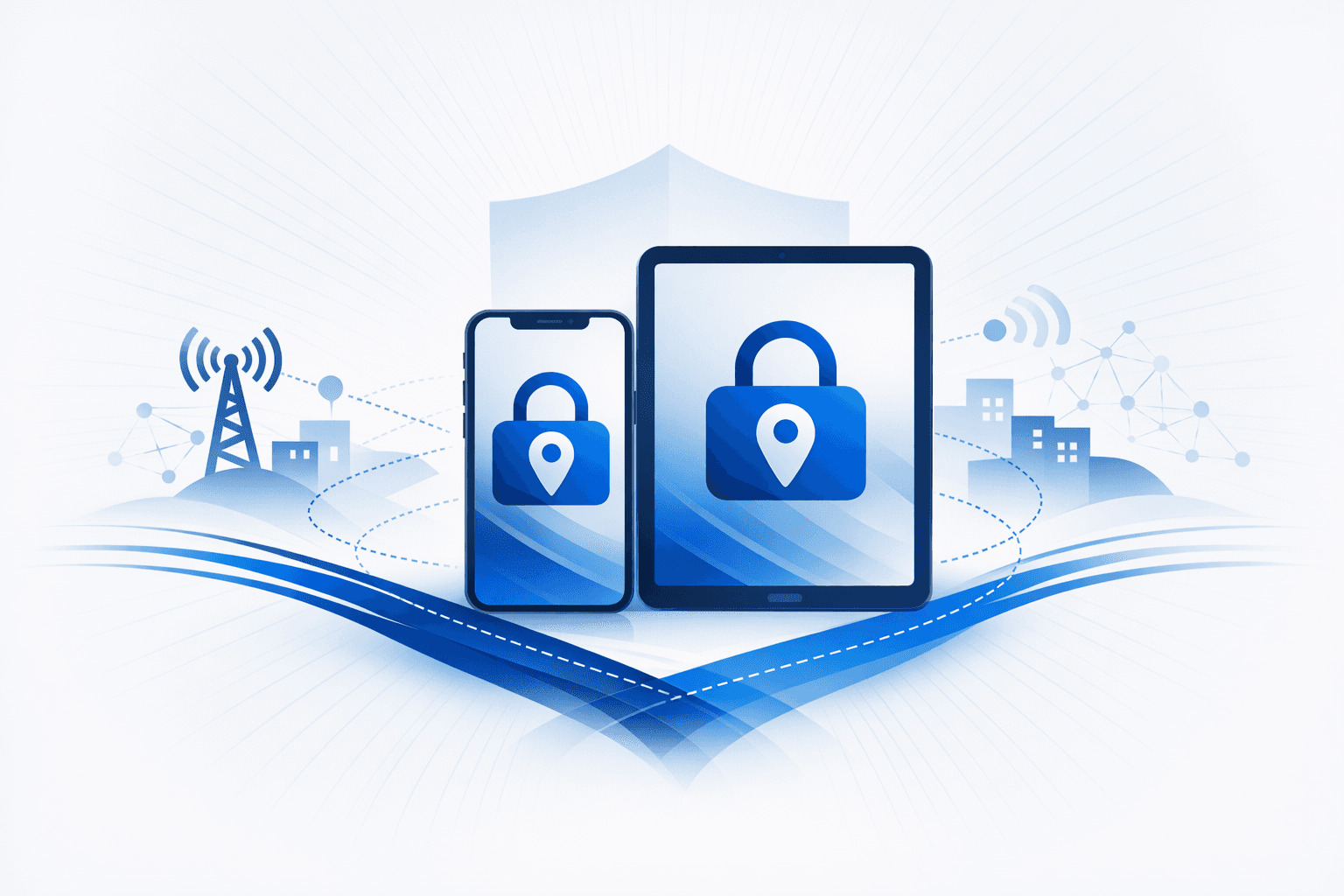
Apple rolled out a new iOS feature on select recent **iPhone** and cellular **iPad** models that, when enabled, reduces the precision of location data shared with a user’s **cell carrier**, aiming to make it harder for law enforcement, spies, and criminals to obtain precise location via telecom providers. Apple said the change does not reduce location precision shared with apps or with first responders during emergency calls, and initial support is limited to specific devices on **iOS 26.3** and a small set of carriers in markets including Germany, Thailand, the UK, and the US; the move lands amid ongoing concerns about carrier targeting and telecom surveillance, including reported China-linked intrusions into major US carriers. Samsung separately described an upcoming **Galaxy** privacy feature intended to mitigate “shoulder surfing” by obscuring on-screen content in public settings, with configurable visibility controls for apps, sensitive entry fields, and notification pop-ups. A third item is a **generic privacy tips** article tied to Data Privacy Day that recaps Apple ecosystem features (e.g., Safari anti-tracking, a Passwords app, Hide My Email, and app hiding/locking) rather than reporting a specific new security event or disclosure.
Jun 29, 2026
Risks and Security Practices for Personal and Smart Devices
The proliferation of smart devices, including wearables, tablets, and medical equipment, has significantly increased the potential attack surface for both individuals and organizations. As the adoption of these devices accelerates, users often overlook the security implications associated with their daily use. Many smart devices operate with outdated firmware, which can harbor known vulnerabilities that attackers actively exploit. Unlike operating system updates, firmware updates are frequently manual and neglected, making these devices attractive targets for cybercriminals. Default passwords and unsecured network connections further exacerbate the risk, as they provide easy entry points for unauthorized access. Compromised personal devices can serve as gateways for attackers to infiltrate sensitive corporate networks, especially in environments where remote work is prevalent. Even seemingly innocuous devices like fitness trackers or smartwatches can be leveraged to harvest data or hijack Bluetooth connections. The lack of user awareness regarding the security settings and update requirements of their devices contributes to the persistence of these threats. Security experts emphasize the importance of vigilance and proactive management of device security, including regular firmware updates and the use of strong, unique passwords. Organizations are encouraged to educate employees about the risks posed by personal devices and to implement policies that mitigate potential exposures. Cybersecurity Awareness Month serves as a timely reminder for both individuals and businesses to reassess their device security practices. By understanding the vulnerabilities inherent in smart devices and adopting recommended security measures, users can significantly reduce the likelihood of compromise. The integration of smart devices into daily life and work routines necessitates a heightened focus on cybersecurity hygiene. Security professionals recommend regular audits of device settings and network connections to identify and address weaknesses. The growing interconnectivity of personal and corporate systems underscores the need for comprehensive security strategies that encompass all endpoints. Ultimately, maintaining the security of smart devices is a shared responsibility that requires ongoing attention and education.
Jun 29, 2026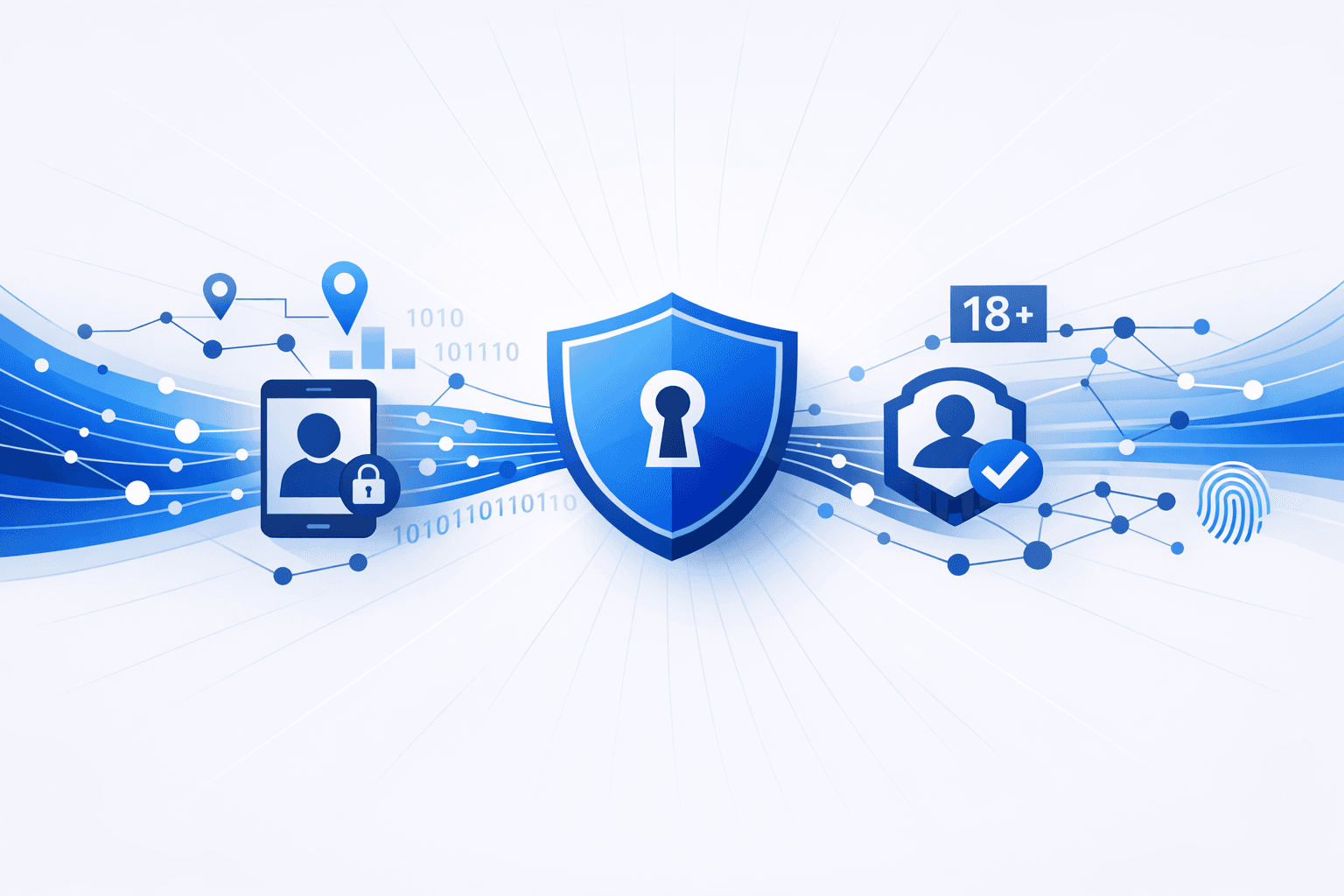
Widespread Privacy Risks from Mobile App Data Practices and Regulatory Age Verification Requirements
A recent large-scale analysis of 50,000 mobile applications has revealed that over 77% of these apps leak personally identifiable information due to insecure data handling and insufficient privacy controls. The study found that many iOS applications fail to include required privacy manifests, while Android apps often circumvent explicit data-safety disclosures, creating significant blind spots in user privacy protections. These vulnerabilities are particularly concerning given the central role mobile devices play in daily communications and financial transactions, making users susceptible to tracking, profiling, and data theft. The research underscores the systemic nature of privacy risks in the mobile app ecosystem, with both platforms exhibiting gaps in transparency and compliance. In parallel, regulatory efforts to protect minors online are introducing new privacy challenges, as exemplified by Texas's SB 2420 law, which mandates age assurance for app store users and developers. Apple has voiced strong concerns that such laws require the collection and storage of sensitive personal information, such as government IDs, even for benign app downloads, thereby increasing the risk of data breaches. Starting January 1, 2026, Apple will require new account holders to confirm they are over 18, and minors will need parental consent for app downloads and purchases, further expanding the amount of sensitive data collected. Apple argues that these requirements should be limited to apps where age verification is truly necessary, warning that blanket mandates could have unintended privacy consequences. The complexity is heightened by the patchwork of state-level laws, with similar regulations set to take effect in Utah and Louisiana, compelling developers to adapt to varying compliance standards. The risks of such data collection are not theoretical; a recent breach at a third-party provider for Discord, which handled age verification, resulted in the exposure of sensitive government ID images. This incident illustrates the tangible dangers of accumulating large repositories of personal data for regulatory compliance. The convergence of insecure app data practices and regulatory-driven data collection amplifies the threat landscape for mobile users. Both industry and regulators face the challenge of balancing user safety, especially for minors, with the imperative to minimize unnecessary data exposure. The findings highlight the urgent need for stronger privacy-by-design principles in app development and more nuanced regulatory approaches that do not inadvertently increase user risk. As mobile platforms continue to evolve, ongoing vigilance and collaboration between stakeholders will be essential to safeguard user privacy. The situation calls for immediate action from app developers, platform providers, and policymakers to address these multifaceted privacy threats. Users are advised to remain cautious about the permissions they grant and the information they share with mobile applications. The broader industry must prioritize transparency, user control, and robust security measures to restore trust in the mobile app ecosystem.
Jun 29, 2026