
Jamf Analysis Finds Predator Spyware Uses Diagnostic Error Codes and Anti-Analysis Telemetry
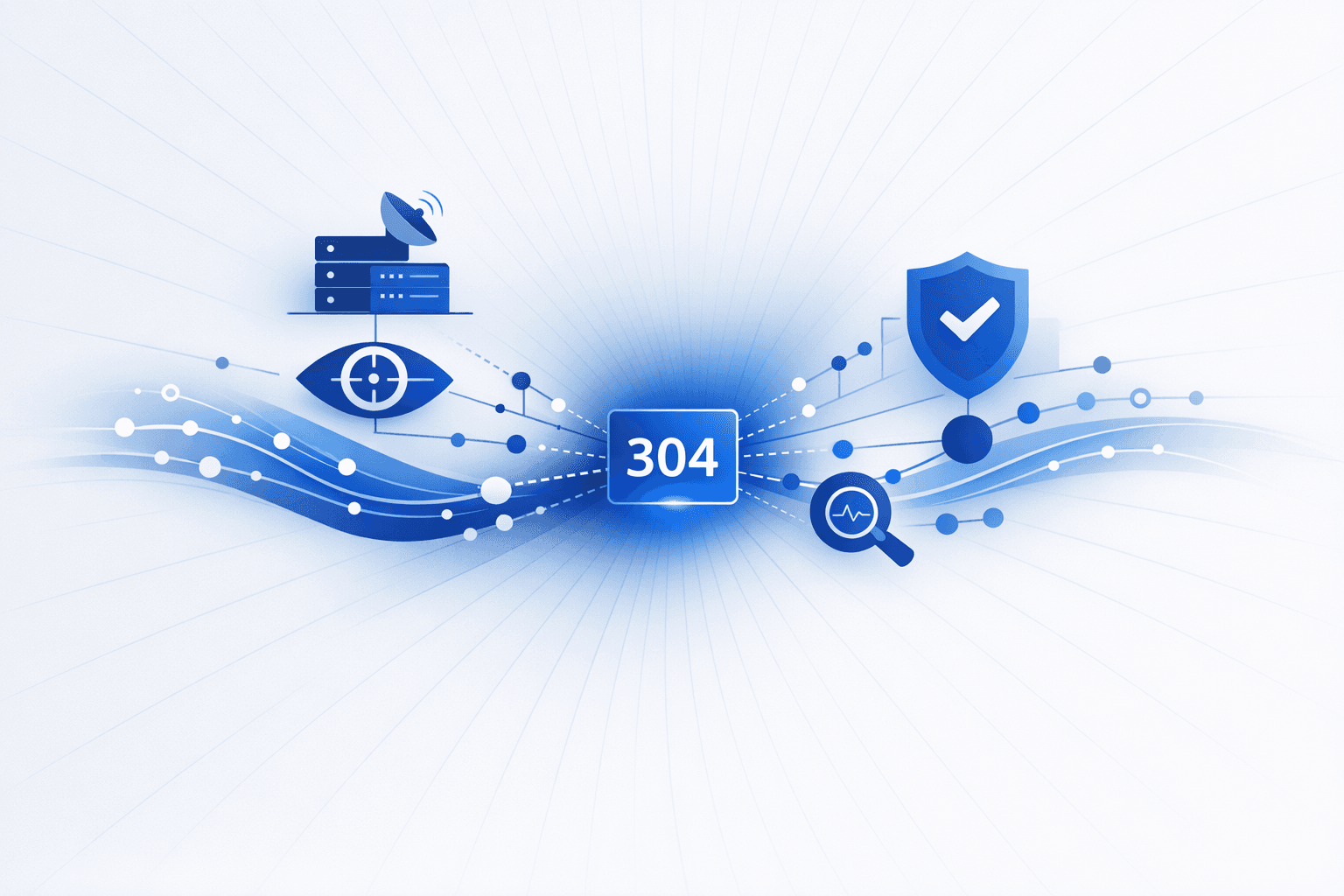
New reverse-engineering by Jamf Threat Labs of an iOS Predator commercial spyware sample found previously undocumented anti-analysis and “deployment troubleshooting” capabilities that help operators understand why an infection attempt failed. The analysis describes an internal error-code taxonomy that reports specific failure conditions back to Predator’s command-and-control infrastructure, including error code 304 indicating the target device is running security or analysis tooling; Jamf assessed this turns failed deployments into actionable diagnostic events for operators rather than opaque failures.
Jamf also reported additional stealth and evasion features, including suppression of crash artifacts and mechanisms intended to hinder researcher analysis and user detection. Reported capabilities include checks for tools such as Frida and even utilities like netstat, suggesting Predator attempts to detect both professional analysis environments and privacy-conscious user behavior. Dark Reading highlighted that these telemetry and reporting behaviors imply Intellexa (Predator’s vendor) may have more visibility into, and potential control over, deployments than commercial spyware vendors typically claim, and noted other technical elements Jamf described such as crash reporting/monitoring and iOS SpringBoard hooking intended to conceal recording indicators.
Get ahead of threats like this
Mallory correlates global threat intelligence with your attack surface — know if you’re exposed before adversaries strike.
How this story unfolded
3 events from the most recent confirmed update back to the earliest known activity.
Jamf suggests Predator may use centralized or vendor-controlled C2
Based on standardized telemetry and troubleshooting mechanisms in the sample, Jamf said the spyware’s deployment framework may be centrally managed, potentially indicating vendor-controlled or vendor-managed infrastructure linked to Intellexa rather than purely customer-run operations. Jamf noted it could not definitively confirm who operates the C2.
Jamf publishes new reverse-engineering findings on Predator
Jamf Threat Labs reported that Predator has more advanced anti-analysis, anti-detection, and anti-forensics capabilities than previously documented. The research described a structured internal error-code system that reports why infection attempts fail and can abort deployment when analysis tools or hostile environments are detected.
Google and Citizen Lab release Predator iOS sample
Google’s Threat Intelligence Group and Citizen Lab released an iOS Predator spyware sample that later became the basis for further reverse-engineering by Jamf researchers.
Related entities
Vulnerabilities, threat actors, malware, products, organizations, and breaches Mallory has linked to this story.
Sources
3 references tracked. Mallory keeps watching after this page renders.
Predator spyware facilitates intelligence gathering from thwarted intrusions | SC Media
scworld.com
Open sourcePredator Spyware Sample Indicates 'Vendor-Controlled' C2
darkreading.com
Open sourcePredator spyware demonstrates troubleshooting, researcher-dodging capabilities | CyberScoop
cyberscoop.com
Open sourceSee the full picture, correlated to your attack surface.
Map indicators from this story to your assets and identify affected systems in minutes.
Every observed campaign, victim, and pivot linked to actors named in this story.
Malware, exploits, and IOCs connected to the activity described here.
YARA, Sigma, and Snort rules deployed to your SIEM as soon as they’re published.
Get matching new stories delivered to your team as they break — not the next morning.
Ask questions about this story and take action on the answers.
Related stories
Other stories Mallory is tracking that overlap on entities, sources, or topic labels.

Predator iOS Spyware Suppresses Camera and Microphone Recording Indicators via SpringBoard Hooking
**Jamf Threat Labs** reverse-engineered *Intellexa/Cytrox Predator* iOS spyware and documented how it defeats Apple’s iOS 14+ privacy indicators (green dot for camera, orange dot for microphone) while conducting covert surveillance. The analysis describes a **post-compromise** capability (not a new iOS vulnerability): Predator requires a device to already be fully compromised, including **kernel-level access** and the ability to inject code into system processes, after which it can silently stream camera and microphone feeds without triggering the on-screen indicators. Technically, Jamf found Predator uses a **single SpringBoard hook** (e.g., `HiddenDot::setupHook()`) to intercept sensor-activity updates before they reach the UI, targeting the method `_handleNewDomainData:` associated with `SBSensorActivityDataProvider`. By nullifying or suppressing the object/updates responsible for indicator state changes (including via Objective-C `nil` messaging behavior), Predator prevents the indicator dots from ever lighting up. Reporting on the research, *BleepingComputer* highlighted that the mechanism does not exploit an iOS flaw itself, but leverages previously obtained privileged access; Jamf also noted an operational limitation where **VoIP recording** may not have the same built-in stealth capability as the camera/microphone indicator bypass.
Mar 21, 2026
LightSpy iOS Spyware Expanded Into Destructive and Mobile Payment Attacks
Researchers reported that the **LightSpy** surveillance framework for iOS evolved from a modular implant into a broader mobile threat capable of both espionage and device disruption. Earlier analysis found the malware delivered through a malicious Safari/WebKit exploit chain, dropping a Mach-O payload disguised as a PNG, loading jailbreak-related components, and then deploying a modular Core over WebSockets. The implant supported devices up to iOS 13.3 and grew from 12 to as many as 28 plugins, enabling collection of messages, mail, files, location data, audio, camera output, and application data, while also simulating push notifications and interacting with multiple active C2 servers. Subsequent reporting said the platform was adapted for **mobile payment system attacks** and later highlighted a coordinated **kill-switch** capability in its iOS destructive plugin architecture. ThreatFabric had already identified seven destructive modules that could freeze devices or stop them from booting, indicating that LightSpy combined intelligence collection with sabotage options. Researchers also cited shared infrastructure and code overlap across LightSpy campaigns, exposed victim data on a poorly secured server, and development artifacts suggesting a likely China-linked operation with multiple developers behind the spyware.
May 27, 2026
Kaspersky Releases Utility to Detect Operation Triangulation iPhone Compromise
Kaspersky published a utility to help organizations and individuals identify traces of **Operation Triangulation**, an iPhone-focused espionage campaign uncovered on corporate devices. The tool is designed to detect indicators left by the attack chain, which used previously unknown iOS exploits to compromise devices through **iMessage** without user interaction and then deploy malware for covert data collection. The release gives defenders a practical way to check Apple mobile devices for evidence of compromise tied to the campaign and supports incident response efforts where targeted surveillance is suspected. Operation Triangulation drew attention because it relied on a sophisticated zero-click infection path and targeted mobile endpoints that are often harder for enterprises to inspect, making forensic detection tools especially important for security teams.
May 25, 2026