
Loading story…
CryptoLocker emerged as a highly disruptive ransomware operation that encrypted files with strong public-key cryptography, including data on local drives, removable media, and accessible network shares, then demanded roughly $300/€300 in Bitcoin or MoneyPak for the private key. Victims were warned they had only about 72 hours to pay before losing access permanently, and reports indicated that the malware’s encryption was generally not breakable, leaving organizations and consumers dependent on payment or unaffected backups. Security reporting also noted that some victims who paid did receive working decryption keys, while disruptions to command-and-control infrastructure sometimes prevented even paying victims from recovering files.
The operators later added a "second chance" decryption portal that raised the price from 2 bitcoins during the initial deadline to 10 bitcoins after expiration, effectively turning the campaign into a more structured extortion service. Coverage linked the operation to the use of Tor and resilient backend infrastructure to conceal command systems and maintain contact with victims, while later reporting traced millions of dollars in laundered Bitcoin tied to the crimewave. The campaign underscored how ransomware actors were combining strong encryption, anonymous payment channels, and hidden services to industrialize file-encryption extortion at scale.
Mallory correlates global threat intelligence with your attack surface — know if you’re exposed before adversaries strike.
6 events from the most recent confirmed update back to the earliest known activity.
By September 2014, reporting and analysis tied the CryptoLocker crimewave to millions of dollars in Bitcoin transactions that were laundered through the cryptocurrency ecosystem. This marked a financial-impact milestone showing the scale of profits generated by the ransomware campaign.
FireEye and Fox-IT launched decryptcryptolocker.com to help victims recover files encrypted by CryptoLocker without paying the ransom. The service was enabled after Fox-IT recovered private keys used by the criminals, reportedly during efforts by the attackers to rebuild infrastructure disrupted by Operation Tovar.
By early November 2013, the gang behind CryptoLocker introduced a post-deadline payment portal that let victims recover files after the original 72-hour window. The service raised the price from 2 bitcoins during the normal window to 10 bitcoins afterward and was reachable through direct infrastructure or Tor.
Whitehat responders and researchers disrupted or sinkholed parts of CryptoLocker's command-and-control infrastructure in October 2013, including three domains cited in reporting. The action interfered with key retrieval for some victims, though it did not break the malware's encryption scheme.
By mid-October 2013, CryptoLocker was infecting Windows systems and encrypting files on local drives, removable media, and accessible network shares using strong public-key cryptography. Victims were told to pay about $300 or €300 within 72 hours via Bitcoin or MoneyPak to recover their files.
CryptoLocker first appeared in September 2013 as ransomware targeting Windows machines, encrypting files on local and mapped drives and demanding payment via Bitcoin or MoneyPak. Early reporting described phishing-email delivery, strong RSA/AES-based encryption, and deletion of Shadow Volume Copies to hinder recovery.
Vulnerabilities, threat actors, malware, products, organizations, and breaches Mallory has linked to this story.
14 references tracked. Mallory keeps watching after this page renders.
theguardian.com
Open sourcezdnet.com
Open sourcesmh.com.au
Open sourcezdnet.com
Open sourcearstechnica.com
Open sourcebleepingcomputer.com
Open sourceweb.archive.org
Open sourcemalwarebytes.com
Open sourceMap indicators from this story to your assets and identify affected systems in minutes.
Every observed campaign, victim, and pivot linked to actors named in this story.
Malware, exploits, and IOCs connected to the activity described here.
YARA, Sigma, and Snort rules deployed to your SIEM as soon as they’re published.
Get matching new stories delivered to your team as they break — not the next morning.
Ask questions about this story and take action on the answers.
Other stories Mallory is tracking that overlap on entities, sources, or topic labels.

ESET reported that malware branded **"CryptoLocker 2.0"** is likely not a new version of the original CryptoLocker but a separate copycat ransomware family using the name for credibility and profit. The company said the threat, detected as `MSIL/Filecoder.D` and `MSIL/Filecoder.E`, still encrypts victim files with public-key cryptography and demands payment, but differs substantially from the original in its programming language, encryption workflow, command-and-control behavior, ransom process, and the types of files it targets. Unlike the original CryptoLocker, the newer strain was written in **C#**, targets a broader set of consumer media files, stores encrypted keys in separate `.k` files, and accepts ransom payments only in **Bitcoin**. Researchers said the malware also carries broader trojan functionality beyond file encryption. ESET observed samples masquerading as software cracks, spreading through removable media, stealing Bitcoin wallets, launching **BFGMiner**, and potentially supporting **DDoS** activity. The company warned that, despite being a copycat rather than the original operation, the malware can still cause serious damage to victims who lack reliable backups, and it urged users to maintain current backups and updated security protections.
Jun 29, 2026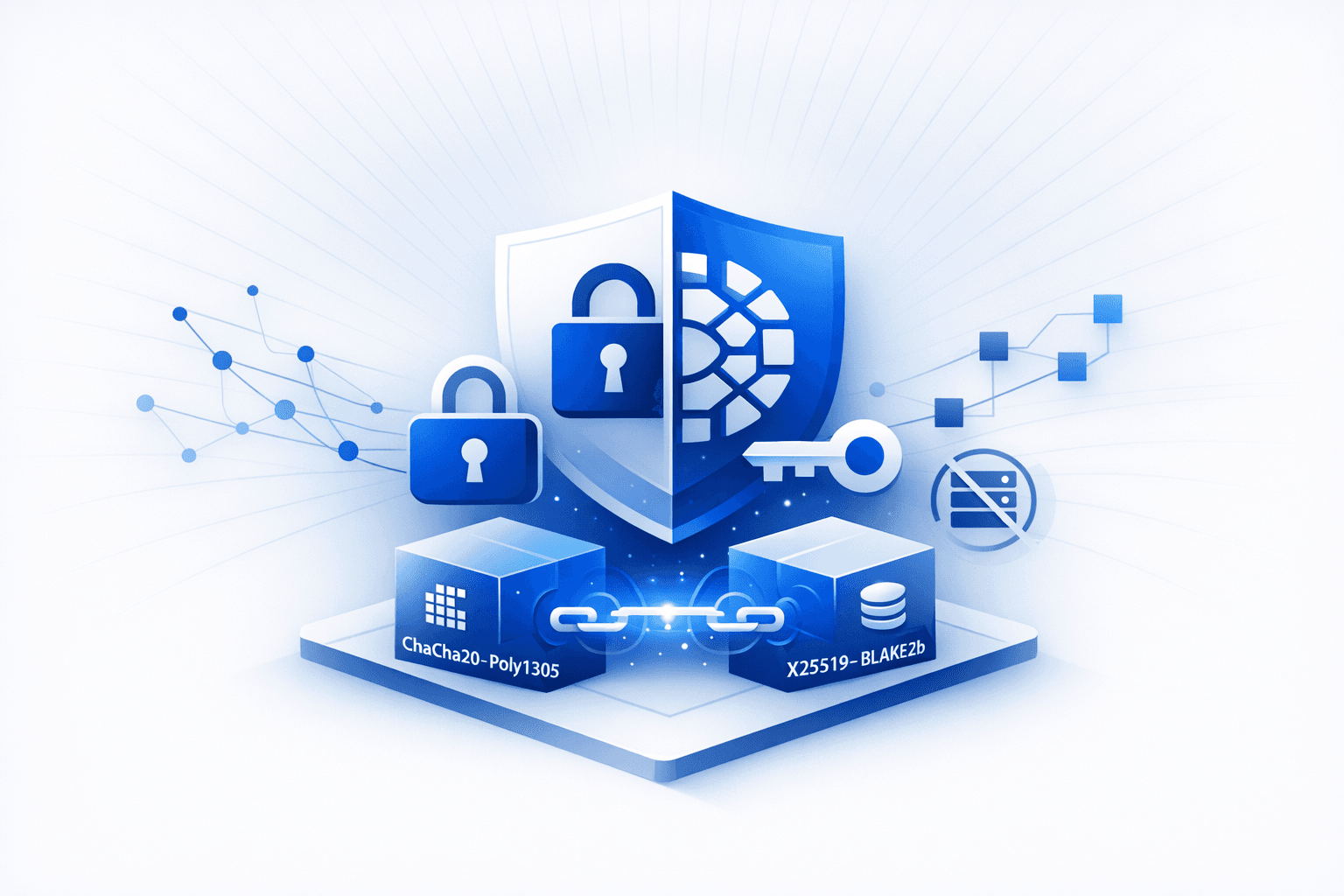
LockBit 5.0 has emerged as the latest evolution of the notorious ransomware-as-a-service operation, introducing sophisticated encryption algorithms and advanced anti-analysis techniques that significantly complicate detection and recovery efforts for targeted organizations. The malware now employs a combination of ChaCha20-Poly1305 for file encryption and X25519 with BLAKE2b for secure key exchange, while also terminating Volume Shadow Copy Service processes to prevent system recovery. LockBit 5.0’s runtime flexibility allows it to operate even without specific parameters, and its use of advanced packing and obfuscation further hinders static analysis by security professionals. Despite increased law enforcement pressure, LockBit has sustained its position as a dominant global ransomware threat, accounting for a substantial share of attacks worldwide. The group’s operations have impacted a wide range of sectors, including IT, electronics, law firms, and religious institutions, resulting in billions of dollars in ransom payments and recovery costs. LockBit continues to leverage its dark web platform to publicly list compromised organizations and stolen data, using these tactics to pressure victims into paying ransoms.
Jun 29, 2026
ESET reported that the **TorrentLocker** ransomware campaign expanded from Australia into the United Kingdom by sending spam emails that directed recipients to fake **Royal Mail** parcel-tracking pages. Those sites served a ZIP archive containing the malware to visitors with UK IP addresses, while users outside the UK were redirected to Google, indicating deliberate geographic targeting. Researchers identified three newly registered domains tied to the operation and said the campaign had begun only recently. Once launched, TorrentLocker encrypted victims’ documents and demanded **350 GBP** within 72 hours, rising to **700 GBP** after the deadline, with payment required in Bitcoin through **Tor**-hosted infrastructure exposed via Tor2Web links. ESET said it traced payments from campaign-specific Bitcoin wallets to another wallet previously linked to scams including wallet theft and fake mining hardware sales, suggesting overlap with broader criminal activity. The company said its products detect the malware as `Win32/Filecoder.NCC` or `Win32/Injector`.
Jun 29, 2026