
AI-Driven Scam Defense and the Rise of Fraudulent SMS Threats on Mobile Platforms
Android has implemented an AI-powered Scam Defense system that reportedly blocks 10 billion monthly threats, with users being 58% more likely to avoid scam texts compared to iOS users. This development comes amid a surge in cybercriminal activity leveraging artificial intelligence to craft more convincing and frequent fraudulent SMS messages, targeting mobile users at scale.
Industry experts highlight that 73% of sophisticated cyber attacks now utilize AI, and 89% of successful breaches involve AI-enhanced social engineering. The effectiveness of AI-driven phishing, such as GPT-4-powered campaigns, has led to a 43% click rate, significantly higher than traditional methods. While organizations are rapidly adopting AI for business, only a minority have implemented robust AI security governance, leaving both enterprises and consumers vulnerable to advanced SMS-based scams. Messaging platforms, unlike email, lack comprehensive security standards, making them a preferred vector for attackers exploiting the immediacy and high open rates of text messages.
Get ahead of threats like this
Mallory correlates global threat intelligence with your attack surface — know if you’re exposed before adversaries strike.
How this story unfolded
1 event from the most recent confirmed update back to the earliest known activity.
Reports published on Android scam defenses and employee data protection benefits
On 2025-11-03, Security Online published a report about Android AI scam defenses blocking 10 billion monthly threats, and SC World published a perspective on whether enterprises should offer personal data protection to employees as a benefit. The provided content does not include additional dated real-world events beyond these publication-level developments.
Related entities
Vulnerabilities, threat actors, malware, products, organizations, and breaches Mallory has linked to this story.
Sources
2 references tracked. Mallory keeps watching after this page renders.
Android AI Scam Defense Blocks 10 Billion Monthly Threats; Users 58% More Likely to Avoid Scam Texts Than iOS
securityonline.info
Open sourceCISO dilemma: Should the enterprise offer personal data protection to the employee as a benefit?
scworld.com
Open sourceSee the full picture, correlated to your attack surface.
Map indicators from this story to your assets and identify affected systems in minutes.
Every observed campaign, victim, and pivot linked to actors named in this story.
Malware, exploits, and IOCs connected to the activity described here.
YARA, Sigma, and Snort rules deployed to your SIEM as soon as they’re published.
Get matching new stories delivered to your team as they break — not the next morning.
Ask questions about this story and take action on the answers.
Related stories
Other stories Mallory is tracking that overlap on entities, sources, or topic labels.

Surge in Mobile Threats: SMS Blaster Scams and AI-Driven Risks
Attackers are increasingly targeting mobile devices using advanced techniques, including the deployment of 'SMS blasters'—devices that impersonate cell towers to send phishing texts over downgraded 2G networks. This method allows threat actors to bypass carrier-level security filters, exposing users to a higher risk of credential theft and data compromise. Security experts warn that the proliferation of such tactics, combined with the growing sophistication of mobile malware, underscores the urgent need for robust mobile security measures. The latest industry reports highlight that the convergence of AI-driven attacks and human error is creating a 'perfect storm' for mobile security. The widespread use of generative AI on mobile endpoints, often without adequate safeguards, has expanded the attack surface, leading to increased incidents of phishing and data loss. Organizations that implement strict access controls and comprehensive mobile management policies have demonstrated greater resilience, experiencing fewer breaches and more rapid containment of mobile threats.
Jul 1, 2026
AI-Driven Phishing Surge and Mobile Phishing Exposure
Research and industry reporting indicate that **phishing campaigns are increasingly using AI-generated content**, with one large-scale analysis finding a sharp jump during the 2025 holiday period and sustained elevated levels into early 2026. Hoxhunt reported that AI-generated phishing rose from under 5% of observed attempts for most of 2025 to **56% during the December holiday season**, then remained at **40% in January 2026**. The same reporting also highlighted a **50-fold increase in malicious SVG attachments**, along with common lures including free rewards, financial-service impersonation, fake invoices, HR-themed messages, malicious links, and the use of open redirects to obscure destination infrastructure. Separate commentary on smartphone security reinforces that **phishing remains the most common consumer mobile threat**, with Omdia survey data showing 27% of consumers experienced phishing scams and higher rates in English-speaking countries such as the United States and United Kingdom. Omdia also found that sophisticated phishing attacks frequently bypass on-device protections, underscoring that AI is improving attacker tradecraft faster than many user-facing defenses can adapt. A separate SC Media perspective on AI jailbreaking is **not about the phishing trend itself**; it focuses on broader AI application security failures and misuse of AI systems, including exposed child data and model abuse by a state-backed group.
Jun 29, 2026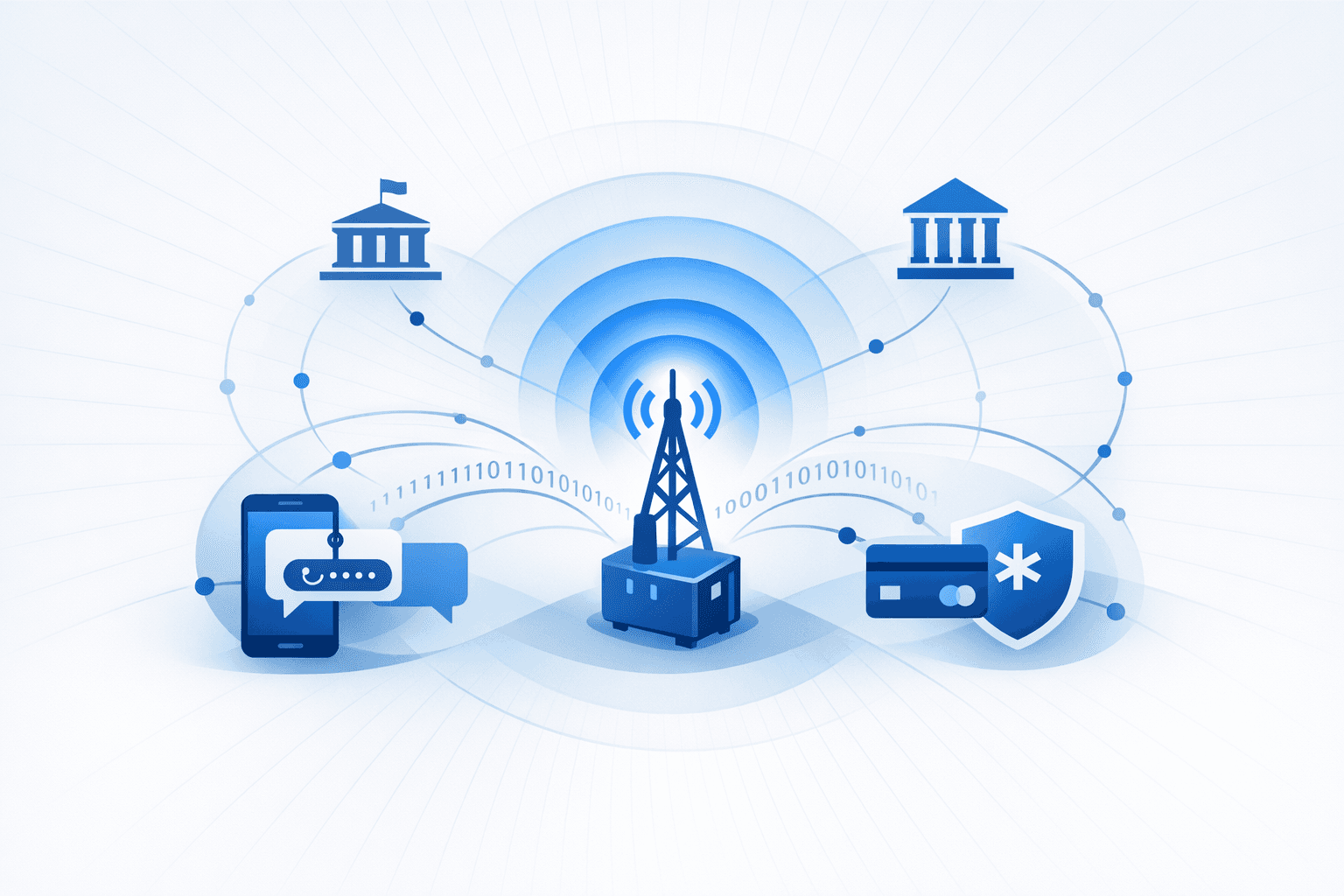
Rise of SMS-Based Mobile Fraud Through Smishing and OTP Interception
Criminals are increasingly abusing **SMS as a fraud channel**, using both network-level and device-level techniques to bypass traditional defenses and steal credentials, banking data, and one-time passcodes. One reported method uses **SMS blasters**—portable false base stations or cell-site simulators—to inject phishing texts directly into nearby phones without traversing carrier networks, allowing messages spoofing government agencies or banks to evade carrier spam filtering. Another technique targets Android devices through the **LSPosed** framework and the **Digital Lutera** module, enabling attackers to capture SMS verification tokens, impersonate phone numbers, insert fraudulent SMS records, and support real-time payment app account takeover and transaction approval. The fraud ecosystem also includes large-scale **smishing campaigns** built around fake parcel delivery notifications, with Group-IB reporting sustained growth across the Middle East and Africa and postal brands most frequently abused. Those campaigns use urgent shipment-tracking lures to drive victims to counterfeit courier sites that harvest personal data, card details, banking credentials, and OTPs. Together, the reporting shows that mobile fraud is expanding through both social engineering and deeper technical abuse of telecom and mobile operating system trust models, exposing weaknesses in SMS-based authentication and message trust assumptions.
Jun 29, 2026