
Detection and Risks of Modern Surveillance Technologies

Hidden surveillance devices, such as covert cameras and microphones, are increasingly embedded in everyday objects like smoke detectors, clocks, and USB chargers. Detecting these devices requires careful observation of physical anomalies, such as misaligned fixtures or unusual reflections, and the use of tools like smartphone cameras to spot infrared emissions invisible to the naked eye. Awareness of subtle environmental cues and the physics of light and sound can help individuals identify hidden surveillance threats in both private and public spaces.
Automated License Plate Readers (ALPRs) represent another form of pervasive surveillance, capturing and storing detailed information about vehicles and their movements across the United States. These AI-powered cameras, often used by law enforcement, can track a car's route and daily routine, raising significant privacy and data security concerns. Vulnerabilities in ALPR systems have led to data leaks, and the ease of access to these databases by police—sometimes without warrants—highlights the broader risks associated with the proliferation of surveillance technologies in modern society.
Sources
Related Stories

Legal and Technical Challenges to Surveillance and Data Collection Technologies
A range of legal and technical measures are being taken to counter the use and abuse of surveillance and data collection technologies by both government agencies and private corporations. In the United States, privacy advocates and hackers are developing counter-surveillance tools to disrupt automated license plate readers (ALPRs) operated by companies like Flock, which supply footage to law enforcement agencies including ICE. These efforts include adversarial license plate overlays that confuse AI recognition systems and open source mapping of ALPR networks. Additionally, a significant security lapse was discovered in Flock's infrastructure, exposing live camera feeds and logs due to misconfigured, publicly accessible admin interfaces. Legal action is also underway, with organizations like the EFF and ACLU suing municipalities over alleged abuses of surveillance technology. In Texas, a court has issued a temporary restraining order against Samsung, prohibiting the company from collecting smart TV viewing data from consumers without proper consent. The court found Samsung's Automated Content Recognition (ACR) practices deceptive, highlighting concerns about undisclosed data collection and potential access by foreign entities such as the Chinese government. The ruling underscores growing legal scrutiny of pervasive data collection by technology vendors and the opaque enrollment processes that mislead consumers about the extent and use of their personal information. These developments reflect increasing resistance—both technical and legal—to the expansion of surveillance and data harvesting technologies in the US.
2 months agoChallenges and Implications of AI-Driven Surveillance and Facial Recognition
Artificial intelligence and machine learning have fundamentally transformed the landscape of surveillance, shifting from labor-intensive, targeted operations to pervasive, automated monitoring. In the past, surveillance required significant human effort, such as physically following suspects, intercepting mail, or installing wiretaps, which inherently limited the scale and scope of government monitoring. The digitization of society, however, has enabled the collection and analysis of vast amounts of data through interconnected devices, sensors, and networks. Modern surveillance now leverages technologies like automated license plate readers, geofence warrants, and a proliferation of smart devices, all of which generate continuous streams of telemetry stored in the cloud. This shift has made it possible for authorities and private entities to monitor individuals on an unprecedented scale, raising significant concerns about privacy and civil liberties. One of the most prominent applications of AI in surveillance is facial recognition technology, which is increasingly used for identity verification in both public and private sectors. However, the widespread adoption of facial recognition systems has exposed critical flaws, particularly for individuals with facial differences or disabilities. People with conditions such as Freeman-Sheldon syndrome report being repeatedly rejected by automated systems, leading to exclusion from essential services like renewing a driver's license. These failures highlight the lack of inclusivity and robustness in current AI models, which often do not account for the diversity of human appearances. The reliance on facial recognition for access to services can result in humiliation, frustration, and systemic discrimination for affected individuals. As more organizations and government agencies implement these technologies, the risk of marginalizing vulnerable populations increases. The integration of AI into surveillance also raises questions about data security, consent, and the potential for abuse by both state and non-state actors. The aggregation of personal data from wearables, smart home devices, and public cameras creates rich profiles that can be exploited for commercial or political purposes. Civil liberties advocates warn that the efficiency and scale of AI-driven surveillance erode traditional safeguards against overreach, making it easier to monitor entire populations without due process. The debate continues over how to balance the benefits of enhanced security and convenience with the need to protect individual rights and ensure equitable access to services. Policymakers and technologists are called upon to address these challenges by developing more inclusive algorithms, establishing clear regulations, and promoting transparency in the deployment of surveillance technologies. The evolution of surveillance in the AI era underscores the urgent need for societal dialogue and legal frameworks that keep pace with technological advancements.
5 months ago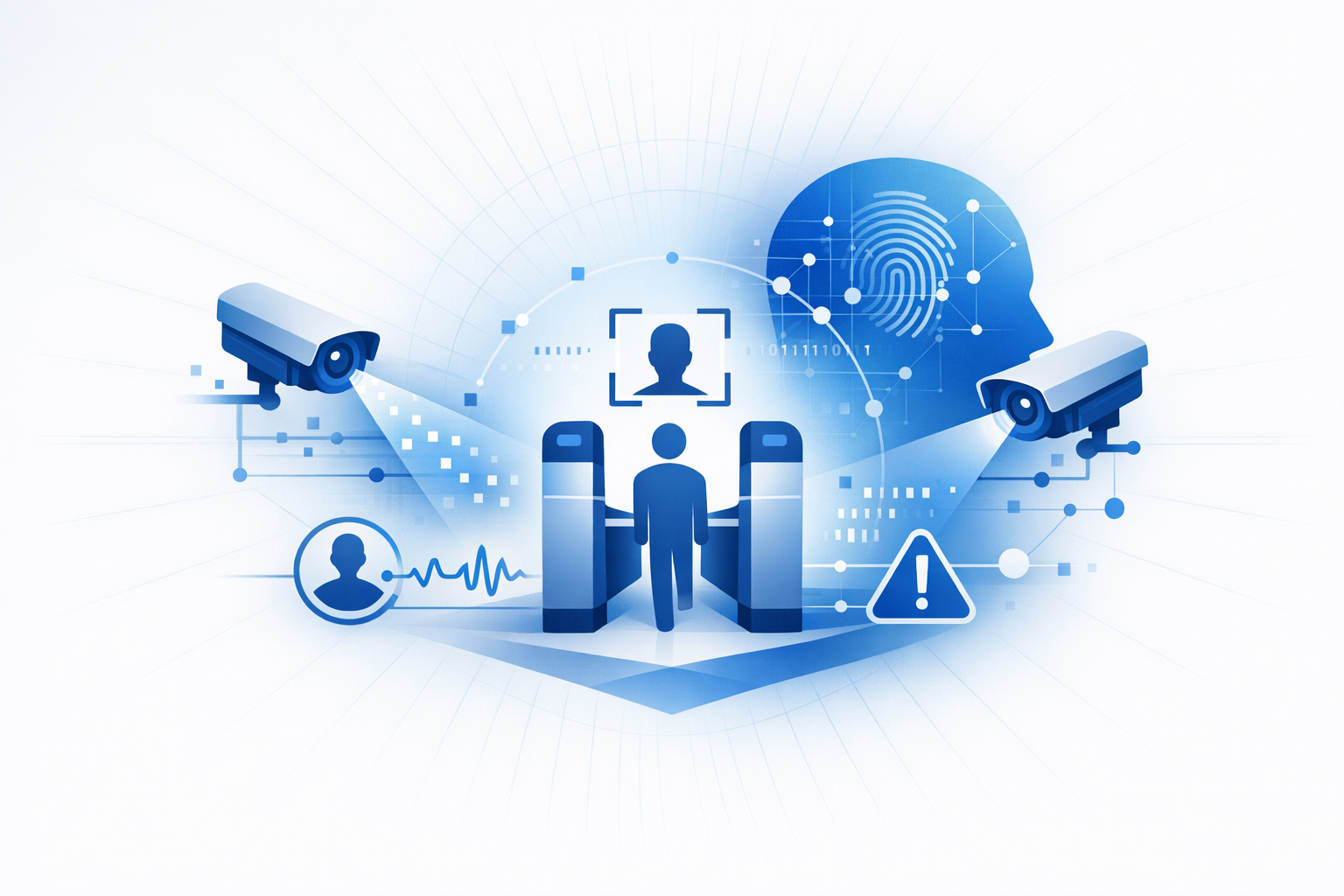
Expansion of AI-Enabled Camera Surveillance Raises Privacy and Biometric Identification Concerns
The New York Metropolitan Transportation Authority (MTA) is testing new subway gates that use **AI-powered cameras** to capture short recordings when riders are suspected of fare evasion and to generate a physical description that is transmitted to the MTA, prompting criticism from privacy advocates concerned about persistent monitoring in public transit. The MTA has also solicited vendor input for systems using computer vision and AI to detect “unusual or unsafe behaviors,” reflecting broader growth in surveillance deployments across New York City. In parallel, consumer **AI smart glasses** are re-emerging with built-in cameras and microphones, intensifying concerns that everyday wearables can enable covert recording and downstream biometric identification. Reporting highlighted that footage from *Ray-Ban Meta* smart glasses can be paired with external facial-recognition services to identify strangers, and noted policy issues such as cloud storage of wake-word voice recordings (potentially retained up to a year) and uncertainty about future features like on-device facial recognition; retailers in New York (e.g., Wegmans and others) are also expanding facial-recognition use, underscoring the convergence of AI, biometrics, and surveillance in both public and commercial spaces.
1 months ago