
Loading story…
Researchers reported a broad software supply chain campaign targeting developers and cryptocurrency users through hijacked packages, browser extensions, and compromised maintainer accounts across ecosystems including npm, Go, Chrome, and Packagist. Socket linked the activity to North Korean actors associated with the Contagious Interview operation and identified 108 malicious packages and extensions spanning 162 release artifacts, while JFrog separately analyzed hijacked npm packages html-to-gutenberg 4.2.11 and fetch-page-assets 1.2.9 that were uploaded with malicious code. The activity appears to rely on account hijacking rather than compromise of GitHub itself, and some attacker infrastructure reportedly remains active even after certain packages were removed.
The malware chain used unusual delivery and evasion techniques aimed at developer workstations, including a VS Code folder-open task instead of standard npm lifecycle scripts, JavaScript hidden in a fake font file, and encrypted payload retrieval from blockchain transaction data on TRON, Aptos, and BNB Smart Chain. Researchers said the campaign deployed components including BeaverTail, DEV#POPPER RAT, OmniStealer, a socket.io backdoor, and a Python infostealer to steal browser credentials, password-manager contents, cryptocurrency wallet data, developer secrets, and operating system credential-store material across Windows, macOS, and Linux. Security firms warned that affected developer systems and credentials should be treated as fully compromised.
Trace attribution and downstream blast radius.
8 events from the most recent confirmed update back to the earliest known activity.
A Gurucul threat research report said attackers compromised legitimate Joyfill software packages and inserted malware that deploys a remote access trojan on developer systems. The activity was attributed to the DPRK-associated PolinRider campaign and accompanied by indicators including blockchain-linked infrastructure, hashes, file paths, XOR keys, and wallet addresses.
An OpenSource Malware analysis tied 20 compromised legitimate npm and Go packages to the DPRK-linked PolinRider campaign, including previously reported npm cases and 16 Go modules. The report said many compromises likely resulted from automated propagation from already-infected developer machines using stolen Git and npm credentials, and noted some malicious Go versions remain accessible via proxy.golang.org caching.
An OpenSource Malware report said PolinRider had reached nearly 200 malicious release artifacts tied to 111 packages and extensions across Go, Packagist, npm, and PyPI, with more than 80 Go modules and 10 Packagist packages observed. The analysis also described how the campaign used force-pushed anti-dated commits and Git history rewriting to hide tampering, while abusing repo-sourced ecosystems where a GitHub account takeover can directly compromise published artifacts.
Socket researchers identified a large-scale campaign dubbed PolinRider involving 108 malicious packages and extensions that produced 162 release artifacts across ecosystems including npm, Go, Chrome, and Packagist. They linked the activity to hijacked developer accounts on platforms such as GitHub, Visual Studio Code, and npm, and associated it with North Korean actors tied to the Contagious Interview campaign.
JFrog Security Research reported that the same payload pattern seen in the hijacked npm packages was also present in additional malicious Go packages, indicating the activity extended beyond npm. The report also noted that some malicious packages remained live and attacker infrastructure was still active, even though the npm versions had been removed.
A technical analysis described two malicious npm packages, tailwind-color-shades 1.0.2 and safe-validate 1.0.4, tied to the PolinRider campaign and published by deepthought26. The report detailed an import-triggered loader that retrieved XOR-encrypted payload stages from blockchain transaction data and published IOCs, blockchain pointers, XOR keys, and hunting guidance.
The npm packages html-to-gutenberg version 4.2.11 and fetch-page-assets version 1.2.9 were uploaded as hijacked releases carrying a multi-stage malware chain that abused a VS Code folder-open task and blockchain-hosted payload retrieval.
Socket said the North Korean-linked PolinRider supply-chain campaign has been active since December 2025, targeting open source developers by compromising legitimate repositories and packages to distribute malware. The activity used injected JavaScript loaders to deliver the DEV#POPPER remote access trojan and OmniStealer.
Vulnerabilities, threat actors, malware, products, organizations, breaches, and observables Mallory has linked to this story. Indicator values are masked here and available in full in the app.
Indicator values are masked on this page. View all 21 in Mallory Domains, IPs, hashes, and URLs are exportable to your SIEM.
See attribution and downstream blast radius, and whether this package or vendor reaches your builds.
9 references tracked. Mallory keeps watching after this page renders.
community.gurucul.com
Open sourceopensourcemalware.com
Open sourceopensourcemalware.com
Open sourcebsky.app
Open sourcescworld.com
Open sourcesecurityweek.com
Open sourcecysecurity.news
Open sourceresearch.jfrog.com
Open sourcemeltedinhex.com
Open sourceMap indicators from this story to your assets and identify affected systems in minutes.
Every observed campaign, victim, and pivot linked to actors named in this story.
Malware, exploits, and IOCs connected to the activity described here.
YARA, Sigma, and Snort rules deployed to your SIEM as soon as they’re published.
Get matching new stories delivered to your team as they break — not the next morning.
Ask questions about this story and take action on the answers.
Other stories Mallory is tracking that overlap on entities, sources, or topic labels.
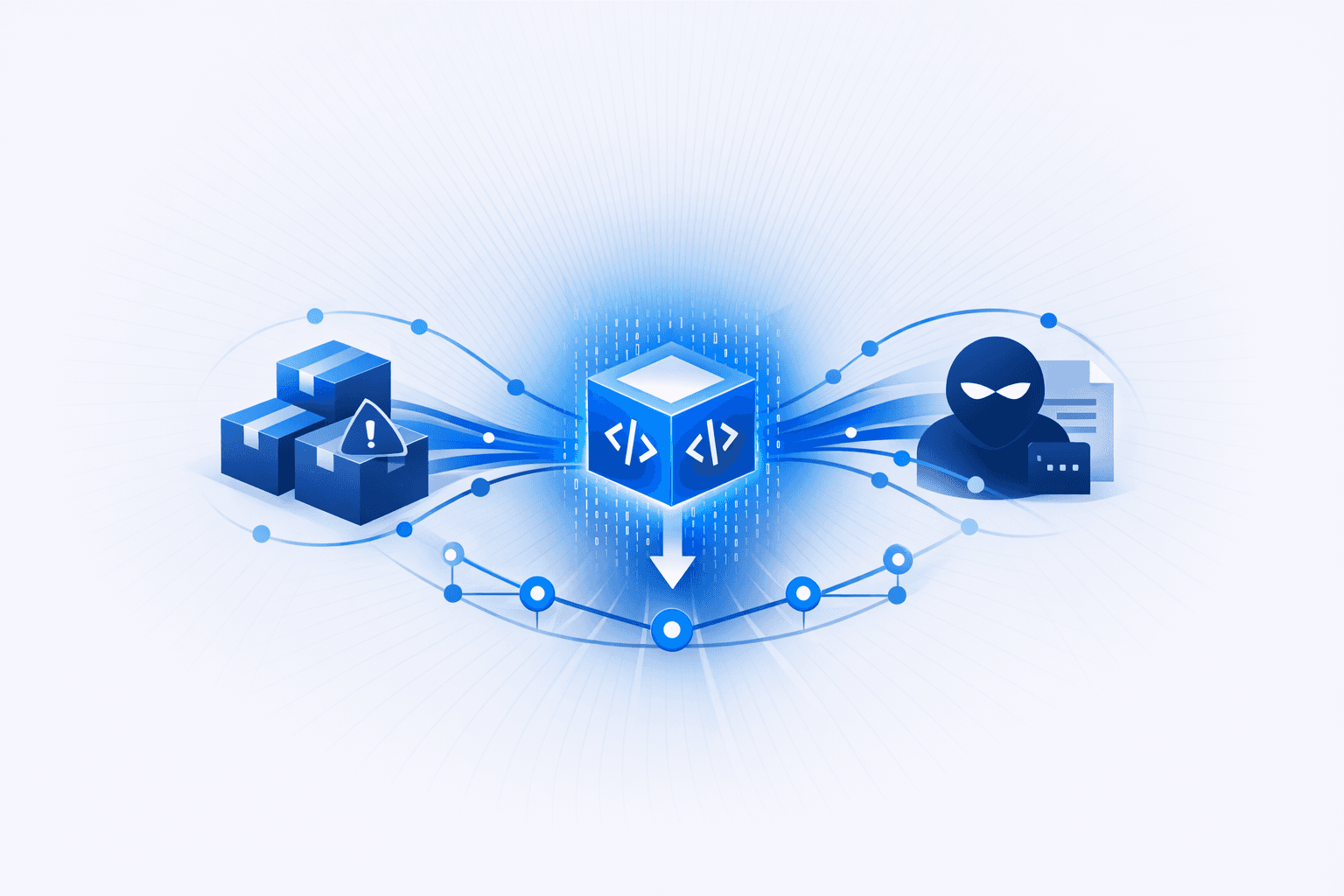
Security researchers reported multiple **software supply chain** campaigns targeting developers through malicious packages in public repositories, aiming to steal credentials/secrets and establish persistent access that can later impact production environments. Socket disclosed a campaign dubbed **StegaBin** involving **26 malicious npm packages** published over a two-day window that used a Pastebin “dead-drop” with **character-level steganography** to conceal C2 details, then resolved additional infrastructure across **31 Vercel deployments** to deliver platform-specific shell payloads that install a RAT and a **nine-module infostealer** targeting VSCode data, SSH keys, git repositories, browser credential stores, clipboard contents, and other local secrets. Socket assessed the tradecraft as consistent with activity previously attributed to **North Korea-aligned FAMOUS CHOLLIMA (Lazarus-linked)** and noted rapid detection of the packages shortly after publication. Separately, reporting highlighted **four malicious NuGet packages**—`NCryptYo`, `DOMOAuth2_`, `IRAOAuth2.0`, and `SimpleWriter_`—that targeted **ASP.NET** developers by exfiltrating **ASP.NET Identity** data (users/roles/permissions) and enabling backdoors; the packages were published in August 2024, accumulated **4,500+ downloads**, and were later removed. In that campaign, `NCryptYo` functioned as a dropper and proxy to an attacker-controlled C2, while `DOMOAuth2_` and `IRAOAuth2.0` handled data theft and backdoor rule delivery, and `SimpleWriter_` enabled file writing and hidden process execution while masquerading as a PDF utility. Other items in the set described unrelated C2 tooling trends (a Polygon blockchain-based botnet loader and the Vshell C2 framework) and do not describe the same package-repository supply chain incidents.
Jun 29, 2026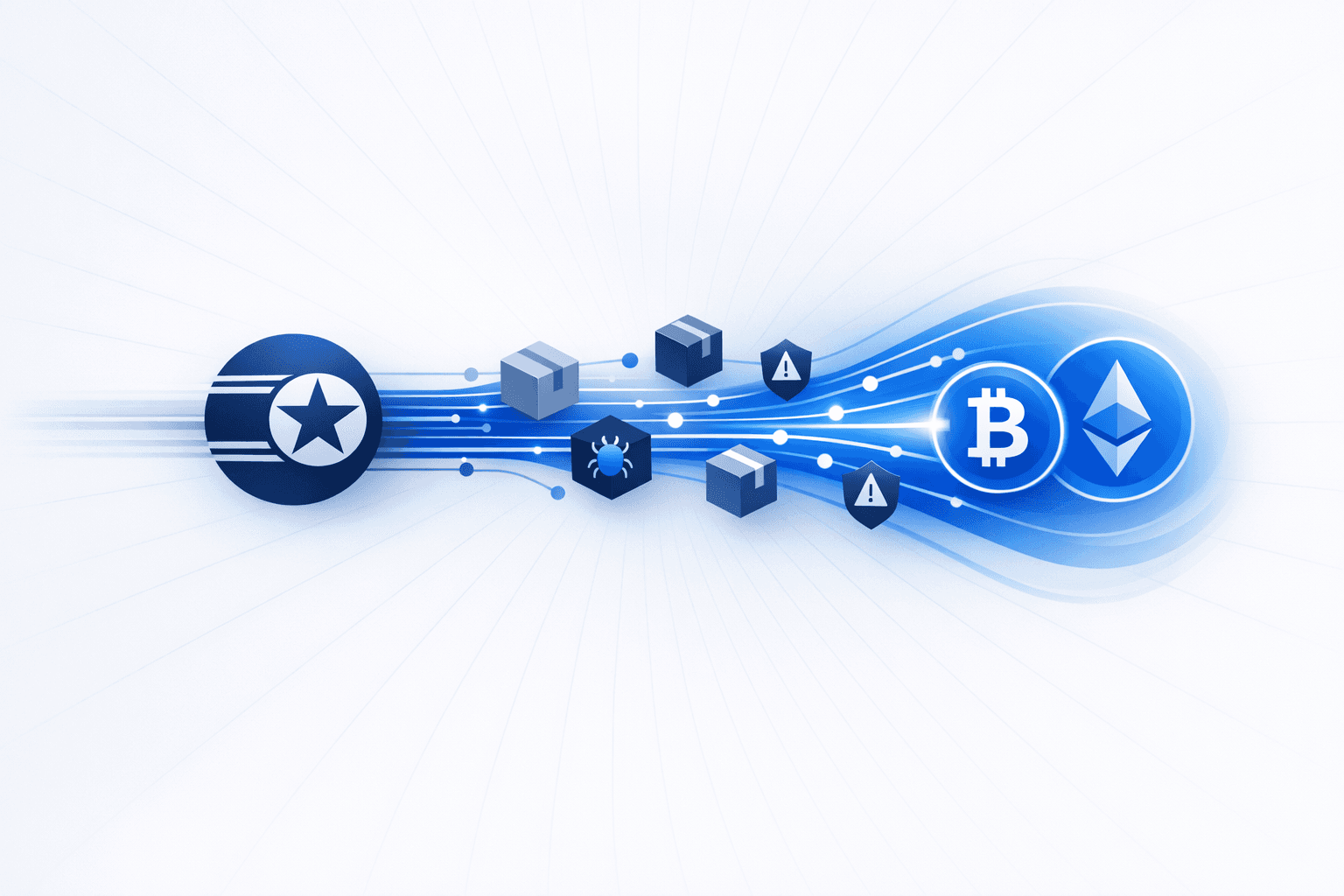
North Korean state-sponsored threat actors have significantly escalated their 'Contagious Interview' campaign by flooding the npm registry with over 338 malicious packages designed to steal cryptocurrency and sensitive credentials. The operation leverages a repeatable playbook, with threat actors creating more than 180 fake personas and using new npm aliases and registration emails to distribute the malware. These malicious packages have collectively been downloaded over 50,000 times, indicating a substantial reach and potential impact on the developer community. The attackers primarily target Web3, cryptocurrency, and blockchain developers, as well as technical job seekers, often approaching them on LinkedIn under the guise of recruiters or hiring managers. The campaign follows a multi-stage attack chain, beginning with reconnaissance on social media, followed by weaponization through the publication of typosquatted npm packages. Delivery occurs via recruiter lures, leading to exploitation through malware loaders that execute in memory. The malware tooling has evolved, with initial stages using direct BeaverTail droppers, and more recent waves employing HexEval, XORIndex, and encrypted loaders that reconstruct BeaverTail in memory. Once executed, these loaders typically fetch the InvisibleFerret backdoor, which establishes persistence and enables further malicious actions. The attackers use over a dozen command and control endpoints to manage the compromised systems. The campaign is iterative, with new malicious packages appearing weekly and loader code being regularly tweaked to evade detection. The npm security team has been notified, and takedown requests have been submitted, but as of the latest reports, 25 malicious packages remain live on the registry. The operation has resulted in multi-stage compromises, including the theft of wallet keys and sensitive credentials, leading to financial losses for victims. The attackers' use of social engineering, technical obfuscation, and rapid distribution across new aliases demonstrates a high level of sophistication and adaptability. The campaign has been mapped to the Lockheed Martin Cyber Kill Chain, illustrating its comprehensive approach from reconnaissance to actions on objectives. Security researchers emphasize the need for heightened vigilance among developers, especially those in the cryptocurrency and blockchain sectors, and recommend immediate review of npm dependencies and enhanced monitoring for suspicious package activity. The ongoing nature of the campaign and the attackers' ability to quickly adapt their tactics pose a persistent threat to the software supply chain. Organizations are urged to implement robust security controls, educate staff about social engineering risks, and coordinate with npm and security vendors to mitigate exposure. The incident highlights the growing risk of supply chain attacks via open-source ecosystems and the need for industry-wide collaboration to address such threats.
Jun 29, 2026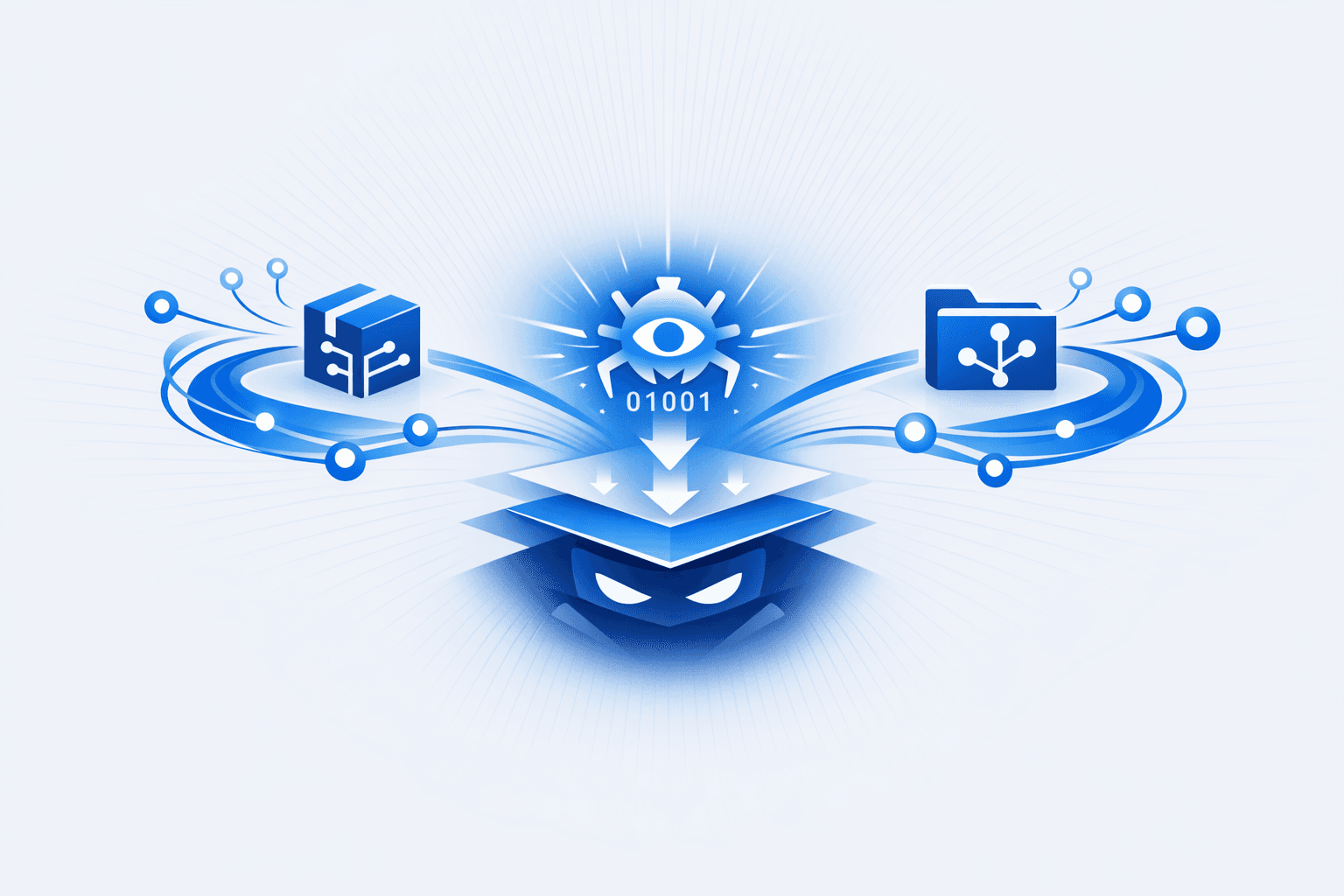
Security researchers reported multiple **software supply chain-style malware distribution** efforts abusing developer-adjacent platforms. JFrog detailed a malicious npm package, `@openclaw-ai/openclawai`, masquerading as an *OpenClaw* CLI installer; once executed, it uses a `postinstall` hook to reinstall globally and drop an obfuscated first-stage (`setup.js`) that deploys a multi-stage payload internally identified as **GhostLoader** (campaign tracked as **GhostClaw**). The malware is designed to persist and exfiltrate a broad set of sensitive data from developer workstations, including credentials (e.g., cloud config artifacts for **AWS/GCP/Azure**), macOS Keychain data, browser sessions, SSH keys, and cryptocurrency wallet/seed material. Separately, Trend Micro reported a large-scale distribution operation for the **BoryptGrab** information stealer via **100+ public GitHub repositories** that pose as legitimate tools and game cheats. The campaign uses SEO manipulation (keyword-stuffed READMEs and lookalike download pages) to drive victims from search results into redirect chains that ultimately deliver ZIP archives containing the stealer; some variants also deploy a PyInstaller backdoor (**TunnesshClient**) that establishes a reverse SSH tunnel for attacker communications. Reported indicators (e.g., Russian-language comments and related infrastructure) suggest a possible Russian nexus, and the observed targeting focuses on harvesting browser data, crypto wallets, system information, and user files.
Jun 29, 2026